


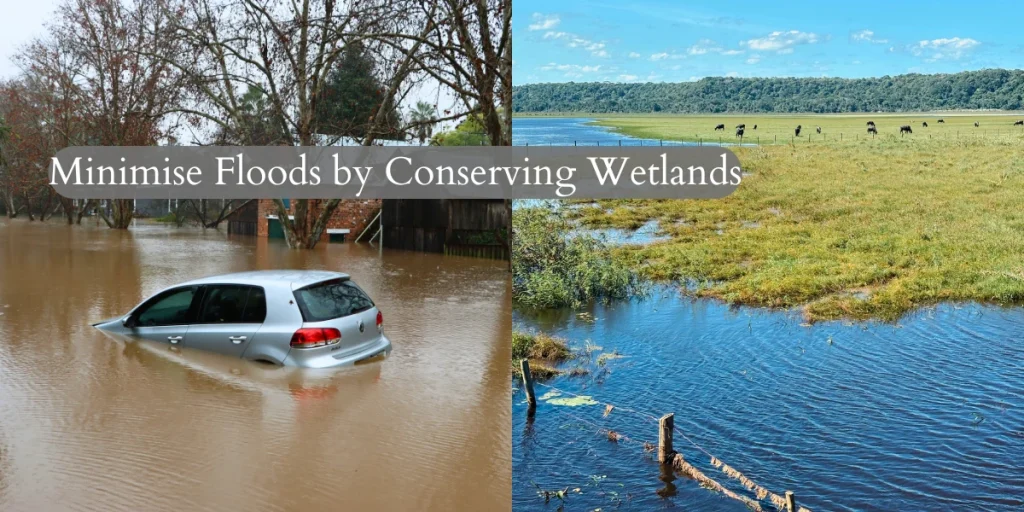
When was the last time you thought about wetlands? Be honest—most of us pass them by without a second glance, dismissing them as swamps, marshes, or mosquito breeding grounds. But here’s a thought: what if I told you that wetlands are nature’s silent guardians, standing between us and the devastating force of floods?
And what if losing them means opening the door to disasters that no man-made structure can fully prevent?
The truth is, wetlands aren’t wastelands. They are living, breathing safety nets—giant sponges, natural buffers, and climate warriors that quietly protect millions of us from disasters every year. And in the U.S., where floods are the most common and costly natural disaster, wetlands are worth more than gold.
Let me walk you through seven eye-opening benefits of wetlands for flood management— backed by science, personal reflections, and stories that might just change the way you look at those marshy landscapes forever.
1. Wetlands Act Like Giant Sponges
When heavy rain falls, where does all that water go? Without wetlands, it rushes straight into rivers and streets, overwhelming drainage systems. But wetlands slow things down. They act like giant sponges, absorbing and holding millions of gallons of water.
The U.S. Environmental Protection Agency (EPA) reports that a single acre of wetland can store up to 1.5 million gallons of floodwater. To put that into perspective, that’s enough water to fill more than 2,200 Olympic-size swimming pools if we scaled wetlands nationwide.
When I first visited a restored wetland in Virginia, I noticed how calm the water felt compared to nearby rivers after a storm. It struck me: wetlands don’t fight water—they embrace it, control it, and release it slowly.
2. Natural Buffers Against Storm Surges
Hurricanes and coastal storms are becoming more intense with climate change. Coastal wetlands, marshes, and mangroves serve as nature’s shock absorbers.
Take Louisiana’s wetlands. Studies by the U.S. Geological Survey, shows that every 2.7 miles of wetlands can reduce a storm surge by about one foot. That’s life-saving when we talk about hurricanes like Katrina. Unfortunately, Louisiana has lost over 1,800 square miles of wetlands since the 1930s, which made storm impacts worse.
It makes me wonder: are we weakening our own defenses by destroying what nature built for us?

3. Slowing Down Flash Floods in Cities
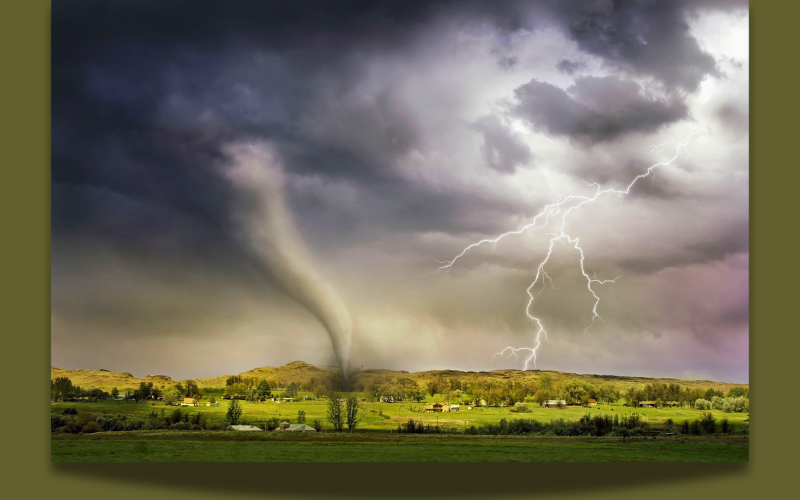
Flash floods don’t give you time to prepare. They come fast, with devastating consequences. Wetlands slow down the flow of water before it reaches urban areas.
China is experimenting with “sponge cities,” but the U.S. already has nature’s own sponge systems in states like Minnesota, Florida, and North Carolina.
Preserving them means our cities don’t have to carry the entire burden with man-made stormwater systems.
During my time in North Carolina, I noticed neighborhoods near wetlands fared better during heavy rains compared to paved areas. It’s living proof that wetlands are insurance policies we didn’t have to buy.
4. Protecting Drinking Water and Soil
Floods don’t just bring water—they bring pollution, chemicals, and debris. Wetlands trap sediments and filter out pollutants before they contaminate rivers and groundwater.
The U.S. Geological Survey (USGS) has documented how wetlands naturally filter nitrogen, phosphorus, and heavy metals—keeping them out of drinking supplies. Think of wetlands as Earth’s kidneys — quietly filtering toxins to keep us alive.
This makes me think: if wetlands are kidneys, why do we keep selling them off like expendable land parcels?
5. Reducing Flood Damage Costs
Here’s a hard-hitting fact: Floods cost the U.S. economy about $8 billion annually in damages (FEMA). Wetlands significantly cut those costs by reducing flood frequency and intensity.
In New Jersey, research after Hurricane Sandy showed that wetlands prevented over $625 million in direct flood damages by Nature Climate Change. That’s not just an environmental win—it’s an economic no-brainer.
Every time I hear about billion-dollar damages from floods, I can’t help but think: how much of that could we save if we simply valued our wetlands?
6. Providing Refuge During Climate Change
Climate change isn’t a future scenario—it’s our reality. Floods are heavier, storms are harsher, and sea levels are rising. Wetlands are frontline defenders. They not only protect us from floods but also store carbon, slowing global warming.
According to the Ramsar Conventions on Wetlands, wetlands store twice as much carbon as forests. That means destroying them is like double-trouble: we lose flood protection and accelerate climate change.
The metaphor that always comes to mind: wetlands are like parachutes. You only realize how badly you need them when it’s too late.
7. Building Stronger Communities and Biodiversity
Flood protection is only one piece of the puzzle. Wetlands are also home to countless species—birds, fish, amphibians—that depend on them. And when biodiversity thrives, communities thrive.
In Minnesota, wetlands support recreational fishing worth billions of dollars. In Florida, the Everglades protect both wildlife and local economies. In Alaska, wetlands safeguard indigenous communities who rely on them for food and culture.
Personally, every time I walk through a wetland trail, I feel humbled. It’s like entering nature’s cathedral—quiet, resilient, and sacred.
Final Thoughts: Will We Raise Our Voices?
After all this, here’s the bigger question: If wetlands are this valuable, why are we still losing them?
Since 1970, the world has lost 35% of its wetlands. In the U.S., development, pollution, and negligence continue to chip away at them. And every acre lost means higher flood risks for someone—maybe for you, maybe for me.
I believe protecting wetlands is no longer just an environmental issue—it’s a survival issue. It’s time we raise our voices against policies and practices that destroy wetlands. It’s time we demand restoration, conservation, and stronger community awareness.
Next time you see a marshland, don’t dismiss it as “wasteland.” See it for what it truly is: a shield, a filter, a sponge, a life-saver.
And ask yourself: Will I be part of the silence, or will I be part of the protection?
Disclaimer
This article is for informational and awareness purposes only. It is not a substitute for professional environmental or scientific advice.
Contents
- 1 1. Wetlands Act Like Giant Sponges
- 2 2. Natural Buffers Against Storm Surges
- 3 3. Slowing Down Flash Floods in Cities
- 4 4. Protecting Drinking Water and Soil
- 5 5. Reducing Flood Damage Costs
- 6 6. Providing Refuge During Climate Change
- 7 7. Building Stronger Communities and Biodiversity
- 8 Final Thoughts: Will We Raise Our Voices?
- 9 Disclaimer