


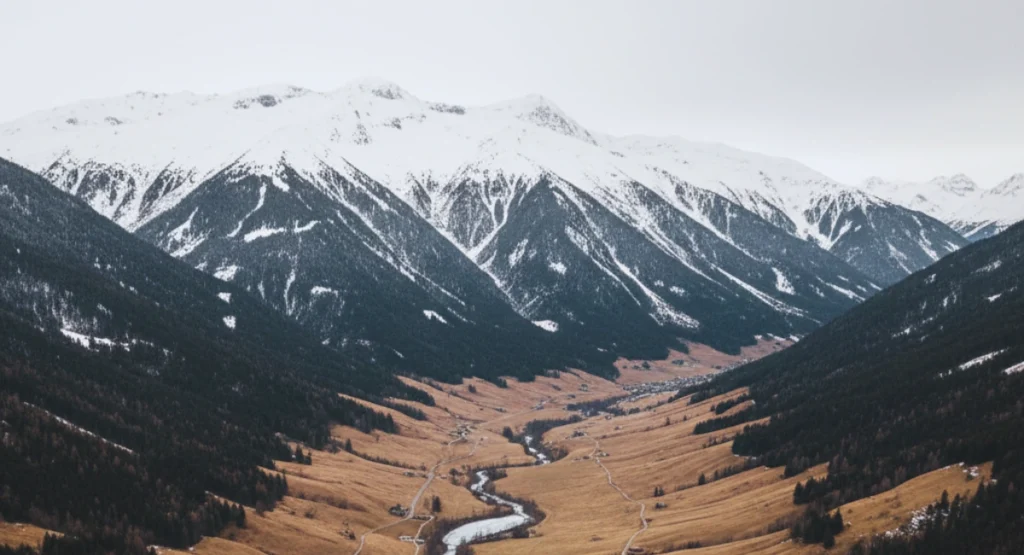
A warm start to winter has left many European ski resorts with thin snow, delayed openings, and growing uncertainty for 2025.
Winter Starts Slow in the Alps
Europe’s 2025 ski season is off to a slow and uncertain start.
Low snowfall, warm early-winter temperatures, and repeated rain events have created thin snow cover across many popular ski destinations.
When I checked early snow reports this week, the pattern was clear — several resorts across France, Switzerland, Austria, and Italy are struggling to open their slopes on time.
This slowdown is not just a weather story. It reflects deeper climate trends now shaping Europe’s winter tourism industry.
What’s Happening Across Europe ?
France, Switzerland & Austria Report Thin Snow
Current Alps snow conditions show :
- Less snowfall than usual
- Higher daytime temperatures
- Rain replacing expected snow in mid-altitude areas
Several well-known resorts pushed their opening dates from late November to mid-December due to unsafe or incomplete snow coverage.
A recent update from Alta Ski Area shows how early-season openings are being pushed back due to thin snow and warm conditions.
Southern Alps Hit Hardest
Regions in Italy, Spain, and southern France are seeing :
- Patchy slopes
- Soft snow
- Low snow accumulation
- Difficulty maintaining beginner and intermediate runs
Lower-altitude areas are feeling the most pressure this year.
Why Snowfall Is Dropping – The Climate Science Behind It
Alps Warming Faster Than Global Average
Climate studies show the European Alps are warming almost twice as fast as the global average.
This rise in winter temperatures means snowfall arrives later and melts sooner.

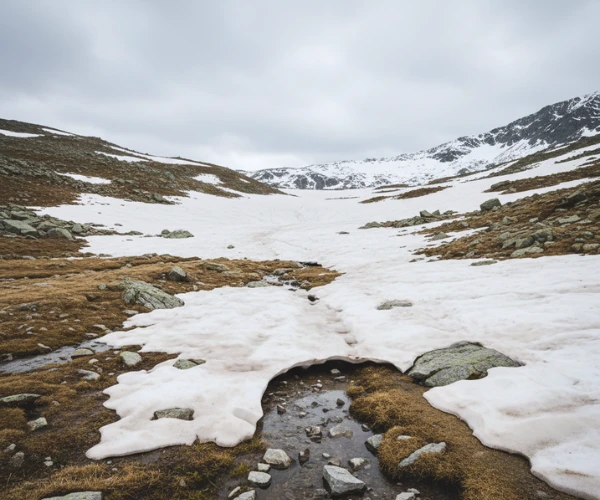
Warmer early-winter temperatures are causing snow to melt faster, exposing more ground across Alpine landscapes.
More Rain, Less Snow
A key shift happening now:
- At low and mid altitudes, storms bring rain, not snow
- Snowline is moving higher each year
- Number of “snow cover days” is decreasing
This trend directly impacts resorts that depend on early-season snow to attract tourists.
Impact on Tourism and Local Jobs
Late Openings Affect Holiday Bookings
Christmas and New Year are the most important periods for Europe’s mountain towns.
However, late snow means:
- Tourists delay bookings
- Many families wait for snow updates
- Some switch to higher-altitude resorts
This uncertainty affects hotels, ski schools, restaurants, and local businesses.
A recent update from the French Alps highlights how warming winters are now forcing long-running ski resorts to shut down.
Artificial Snow Use Increases
To keep slopes usable, resorts are increasing artificial snowmaking.
But even that has limits.
Many resorts now depend heavily on snow guns — but they only work when nights are cold enough, something not guaranteed anymore.
Artificial snow also requires :
- Large amounts of water
- High electricity usage
- Skilled staff and constant monitoring raising concerns about the environmental impact of artificial snowmaking.
This adds financial pressure during an already slow start.
High vs Low Altitude – Different Realities of the 2025 Season
High Mountain Resorts Still Manage Better
Slopes above 2,000 meters show:
- More consistent snow
- Lower melting rates
- Better conditions for intermediate/advanced skiing
These areas remain the safest choice for early-season skiers.
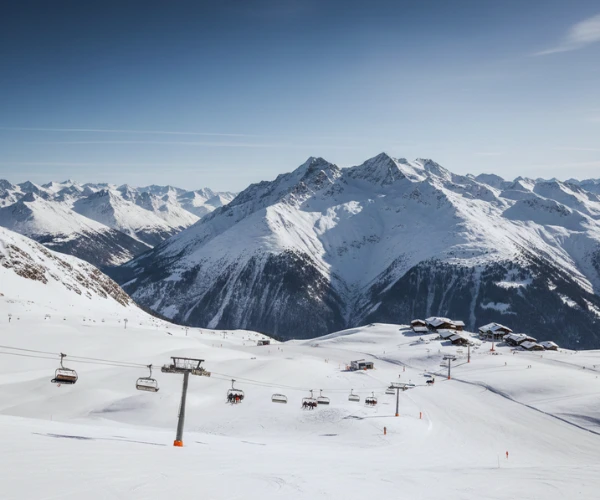
High-altitude slopes above 2,000 meters still hold stronger snow, offering more stable conditions early in the season.
Low Altitude Resorts Face Real Challenges
Resorts below 1,500–1,800 m are experiencing:
- Very thin snow levels
- More rain days
- Higher reliance on artificial snow
- Shorter operating windows
Some smaller resorts may not open in full capacity this year.
How Ski Resorts Are Responding in 2025
Flexible Opening Dates
Many resorts stopped promising fixed opening days.
Instead, they give “weather-dependent opening updates” to avoid cancellations.
Four-Season Tourism Strategy
To reduce reliance on winter, ski regions are promoting:
- Autumn hiking
- Summer biking
- Spa and wellness stays
- Mountain adventure parks
- Year-round nature tourism
This helps stabilise income even when snow is late.
Sustainability & Energy Changes
Some resorts are adopting :
- Renewable energy
- Water-efficient snow systems
- Eco-transport options
- Biodiversity protection programs
These steps also attract climate-conscious travellers.
A Global Trend, Not Just a European Issue
US Ski Resorts Show Similar Patterns
In parts of the western United States, early-season snow reports also show:
- Delayed openings
- Warm spells
- Rain during pre-winter storms
This connects Europe’s 2025 delays to a larger global warming pattern.
What the Future of Winter Tourism May Look Like
Climate experts warn that ski seasons may continue to shrink if warming continues at this pace.
If I look at how quickly conditions changed in the last few years, one thing is clear :
Early-season skiing in late November may no longer be guaranteed in many regions.
Resorts may need :
- Better adaptation plans
- More four-season tourism
- Climate-friendly operations
- Higher-altitude expansions where possible
Winter tourism must now evolve as Europe’s climate shifts.
A Winter That Signals Change
Europe’s 2025 ski season delays are a strong reminder of how climate change is reshaping mountain regions.
From weaker snowfall to rising temperatures, the winter experience is changing fast.
Europe’s winter is changing — and the ski industry will have to change with it.
Disclaimer
The information in this article is based on available climate reports, early-season weather updates, and general scientific research. Actual snowfall levels, resort opening dates, and regional conditions may vary as new data becomes available. This article is for informational and educational purposes only and should not be considered official weather guidance or travel advice. Readers are encouraged to check local meteorological agencies and official ski resort announcements for the latest and most accurate updates.


Contents
- 1 A warm start to winter has left many European ski resorts with thin snow, delayed openings, and growing uncertainty for 2025.
- 2 Winter Starts Slow in the Alps
- 3 What’s Happening Across Europe ?
- 4 France, Switzerland & Austria Report Thin Snow
- 5 Southern Alps Hit Hardest
- 6 Why Snowfall Is Dropping – The Climate Science Behind It
- 7 Alps Warming Faster Than Global Average
- 8 More Rain, Less Snow
- 9 Impact on Tourism and Local Jobs
- 10 Late Openings Affect Holiday Bookings
- 11 Artificial Snow Use Increases
- 12 High vs Low Altitude – Different Realities of the 2025 Season
- 13 High Mountain Resorts Still Manage Better
- 14 Low Altitude Resorts Face Real Challenges
- 15 How Ski Resorts Are Responding in 2025
- 16 Flexible Opening Dates
- 17 Four-Season Tourism Strategy
- 18 Sustainability & Energy Changes
- 19 A Global Trend, Not Just a European Issue
- 20 US Ski Resorts Show Similar Patterns
- 21 What the Future of Winter Tourism May Look Like
- 22 A Winter That Signals Change
- 23 Disclaimer