


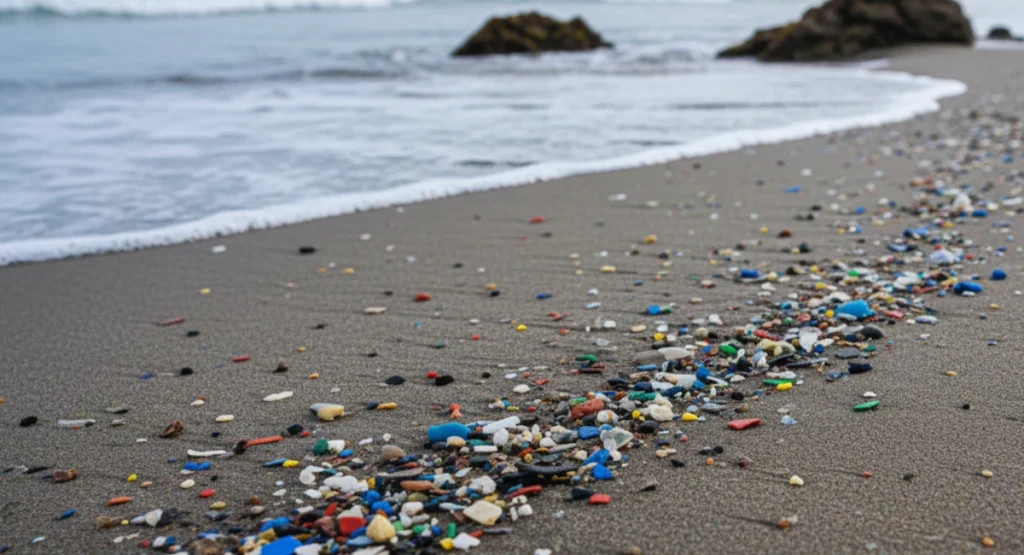
Experts say microplastics are becoming a major health risk as new studies expose their presence inside human organs.
Microplastics — tiny plastic fragments smaller than a grain of sand — are now being found deep inside human organs, including the lungs, liver, bloodstream, and even the brain.
New scientific studies from the U.S., Europe, and Asia show that these particles can travel through the body and may affect long-term human health.
As someone who has been tracking global environmental risks closely, I can say this is one of the biggest health warnings of 2025.
What New Studies Have Found
Recent research from universities and medical institutes has confirmed something scientists only suspected before:
Microplastics are entering the human body and staying inside our organs.
The latest studies reveal:
- Microplastics were detected in human heart tissues during surgery
- Researchers found plastic particles in 80% of blood samples,the same pattern appears in a 2024 research study.
- Particles were discovered deep inside the lungs
- New evidence shows tiny particles entering the brain and nervous system

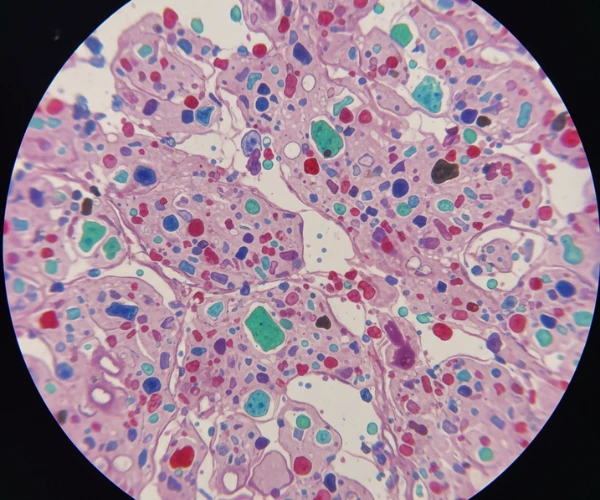
Scientists found microplastic fragments embedded in human tissues during recent medical studies.
Scientists say this is the strongest proof so far that microplastics are now a global human health concern.
Where Microplastics Are Being Found in the Human Body
✔ Lungs
Particles like polyethylene and polypropylene were found even in the lower lungs, where air pollution usually can’t reach.
✔ Bloodstream
Studies show microplastics can enter the blood and travel through the entire body.
✔ Heart Tissue
During heart surgeries, doctors discovered small plastic fragments stuck in tissues.
✔ Liver & Kidneys
These organs try to filter toxins, causing stress and inflammation.
✔ Brain & Nervous System
Some studies now show microplastics can cross the blood-brain barrier.
✔ Placenta
Plastic particles were also detected in the placenta of pregnant women, raising concerns for unborn babies.
How Microplastics Enter the Human Body
Microplastics reach us in several everyday ways :
✔ 1. Air
We breathe in plastic particles floating in the air.
Big cities like Delhi NCR, New York, London show very high levels.
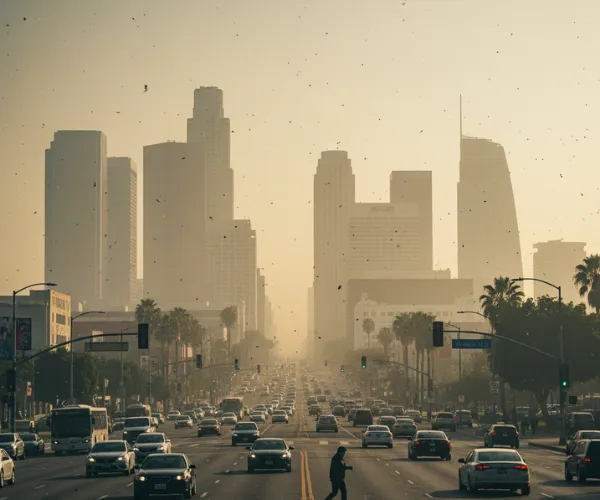
Airborne microplastics are now detected across major global cities, including New York and London.
✔ 2. Water
Bottled water contains 100–1000 times more microplastics than tap water. These findings are also supported by a recent medical review on lung exposure.
✔ 3. Food
Microplastics are found in :
- Salt
- Fish
- Rice
- Milk
- Fruits and vegetables
✔ 4. Household Dust
Even indoor dust carries tiny plastic fibers from clothes, carpets, and furniture.
✔ 5. Skin Contact
Cosmetics and everyday products may leave microplastic residue on the skin.
What Happens Inside the Body After Microplastics Enter
Scientists explain the possible impacts in simple terms:
⚠ They cause inflammation
When plastics enter organs, the body treats them like harmful invaders.
⚠ They carry toxic chemicals
Many plastics release chemicals like BPA and phthalates.
⚠ They damage cells
Microplastics create oxidative stress, which harms healthy cells.
⚠ They may speed up aging
Some studies link microplastics to faster cellular aging.
⚠ They may affect hormones and the brain
Toxic chemicals in plastics can interfere with hormones and brain functions.
Why Scientists Are Calling This a Global Health Alarm
This issue is now being compared to early warnings about air pollution decades ago.
Researchers say:
- Exposure is rising much faster than expected
- Children and pregnant women may be at higher risk
- Urban populations inhale more microplastics daily
- Long-term health effects are still unknown but worrying
Some scientists believe microplastics could become one of the major global health emergencies in the coming years.
Which Countries and Cities Are Reporting High Levels
New findings show significant exposure in:
- United States – microplastics detected in drinking water and blood
- India (Delhi NCR) – airborne microplastic pollution found in lungs
- UK & Europe – plastics discovered in urban air and food packaging
- Coastal regions – high levels due to marine pollution
These studies show that this issue is not limited to one region — it is global.
What This Means for Future Human Health
Scientists still don’t know everything, but early research shows potential risks such as :
- Immune system weakening
- Hormonal imbalance
- Higher inflammation levels
- Possible links to brain and nervous system disorders
- Long-term risks for children
As I follow these global health trends, it feels clear that this issue may shape future public-health policies around plastics.
How Microplastics Move Through the Planet
This is where the NatureSignals environmental insight becomes important.
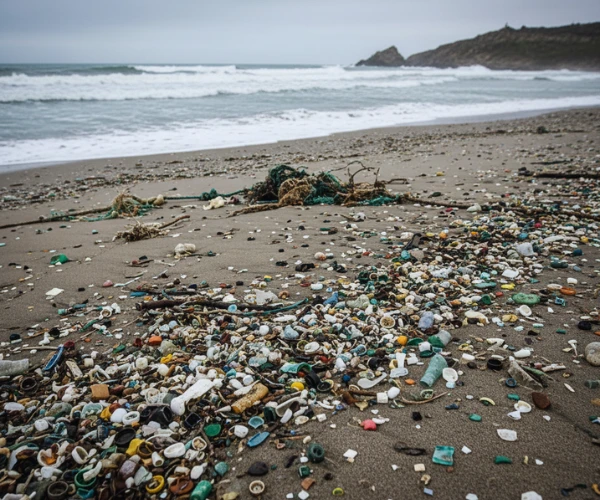
Plastic waste breaks down in the environment and re-enters air, soil, and oceans, forming a global pollution cycle.
Microplastics move through Earth in a continuous loop :
- In oceans, plastic breaks down due to sunlight
- Waves turn big pieces into tiny particles
- Wind lifts these particles into the atmosphere
- Rain brings them back onto land
- Rivers carry them back to oceans
- Soil absorbs plastic from fertilizers and waste
Scientists call this the planet’s new plastic cycle — similar to the water cycle.
Microplastics in Oceans and Marine Life
New studies show :
- Fish, whales, turtles, and seabirds ingest plastic daily, this is also highlighted in a recent ocean research summary.
- Microplastics damage marine food chains
- Coral reefs trap plastic particles
- Zooplankton (tiny sea animals) eat plastic instead of food
This affects the entire ocean ecosystem, and eventually, humans.
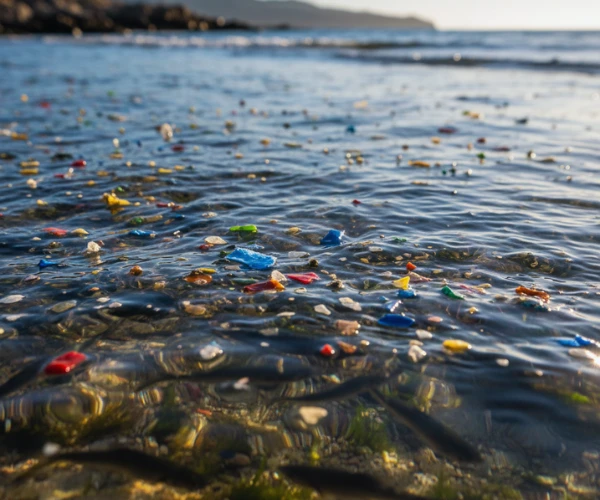
Microplastics collect on the ocean surface and are consumed by fish, seabirds, and marine mammals.
Airborne Microplastics & Climate
Scientists are now studying how microplastics interact with climate systems.
Early findings show :
- Microplastics absorb sunlight and heat
- They can change cloud formation, this has also been observed in a recent atmospheric study.
- They may influence rainfall patterns
- They can travel hundreds of kilometers through wind
Cities like Delhi NCR, London, New York, Shanghai show strong airborne plastic pollution.
Soil Pollution & Farmland Contamination
Microplastics in soil come from :
- Plastic mulch used in farming
- Contaminated fertilizers
- Irrigation with polluted water
- Breakdown of plastic packaging
Effects include :
- Poor soil health
- Slower plant growth
- Harm to earthworms and insects
- Plastic entering crops
A Global Pollution That Crosses Borders
Microplastics travel:
- Across continents through wind
- Across oceans through sea spray
- From city to village through dust
- From industrial areas to mountains through air currents
Even the Arctic and Antarctica now contain microplastics.
This proves:
Plastic pollution has become a borderless global issue.
Why Scientists Are Calling This a Planetary Threat
Experts now classify microplastics as a planetary boundary risk, this classification is also supported by recent global sustainability research. — meaning:
- It impacts air, soil, and water
- It affects global ecosystems
- It may influence climate behavior
- It damages marine and land biodiversity
- It reaches human bodies through multiple pathways
The biggest concern :
Microplastics do not break down naturally.
They stay on Earth for hundreds of years.
What the Future Looks Like if Microplastic Pollution Continues
Scientists predict :
- More plastic than fish in oceans by 2050
- Rising airborne plastic due to more heat
- Arctic snow and rain delivering microplastics
- Plastic entering deeper parts of the climate system
If plastic production continues at the current speed, microplastic pollution may become irreversible.
Which Countries Are Reporting High Levels
- United States – detected in water, blood, and household dust
- India – Delhi NCR shows high airborne microplastic levels
- UK & Europe – microplastics found in food packaging and air
- China & Southeast Asia – major hotspots due to plastic waste
- Arctic region – particles found in ice cores and snowfall
This is a global environmental footprint.
What We Can Do Next (Expert Suggestions)
✔ Reduce plastic use
Avoid single-use plastics.
✔ Improve waste management
Countries must upgrade recycling systems.
✔ Support policy changes
Governments are discussing global plastic limits.
✔ Strengthen ocean cleanup programs
Better technology for removing ocean pollution.
✔ Improve indoor air quality
Ventilation and basic air purifiers help
Why This Discovery Matters Now
Microplastic pollution is not just about human health.
It is about Earth’s systems changing — oceans, atmosphere, soil, climate, and biodiversity.
This discovery shows that microplastics are now everywhere :
in the planet, in the environment, and in us.
We are living in a world where plastic has become part of the air we breathe and the water we drink.
Understanding this today will shape how we protect both people and the planet in the coming years.
Disclaimer :
This article is based on recent scientific studies and publicly available environmental research. It is intended for general informational and educational purposes only. NatureSignals does not provide medical advice, diagnosis, or treatment recommendations. Readers are encouraged to consult official scientific sources or qualified experts for deeper insights and updated findings.


Contents
- 1 Experts say microplastics are becoming a major health risk as new studies expose their presence inside human organs.
- 2 What New Studies Have Found
- 3 Where Microplastics Are Being Found in the Human Body
- 4 How Microplastics Enter the Human Body
- 5 What Happens Inside the Body After Microplastics Enter
- 6 Why Scientists Are Calling This a Global Health Alarm
- 7 Which Countries and Cities Are Reporting High Levels
- 8 What This Means for Future Human Health
- 9 How Microplastics Move Through the Planet
- 10 Microplastics in Oceans and Marine Life
- 11 Airborne Microplastics & Climate
- 12 Soil Pollution & Farmland Contamination
- 13 A Global Pollution That Crosses Borders
- 14 Why Scientists Are Calling This a Planetary Threat
- 15 What the Future Looks Like if Microplastic Pollution Continues
- 16 Which Countries Are Reporting High Levels
- 17 What We Can Do Next (Expert Suggestions)
- 18 Why This Discovery Matters Now
- 19 Disclaimer :