


When I think about 2025, I don’t just see a calendar of months passing — I see nature writing its own story with floods, flames, and furious winds. It feels as if the Earth has been raising its voice, reminding us that we are just guests in its vast home.
This year’s natural disasters have not only shaken cities but also left lasting scars on human health, infrastructure, and our collective sense of security.
So what can we learn? Are these tragedies simply acts of fate, or lessons carved in stone for humanity’s future? Let’s walk through the most significant disasters of 2025 — and the warnings they carry for tomorrow.
The Deadly Floods That Drowned Cities
If 2025 had a symbol, it would be water rushing into streets where children once played. From South Asia’s monsoon-driven floods to Europe’s swollen rivers, millions were displaced, and thousands lost their lives. In Bangladesh alone, the floods were compared to “an ocean swallowing land,” destroying homes and wiping away crops.
According to the reports of BBC, Scientists remind us that heavier rains are not just coincidence — they’re fueled by a warming planet. Urban development without proper drainage acted like a locked door against a rising tide.
Lesson for the future: Think of a flood as an uninvited guest who always finds a crack to slip in. Families can prepare by keeping waterproof emergency kits, knowing evacuation routes, and not ignoring early warnings.
Heatwaves: Invisible Killers in Plain Sight
Unlike floods, heatwaves don’t come roaring with waves of water. They arrive silently, like an invisible thief stealing breath from the elderly, workers, and even children at play. In India, temperatures soared past 48°C (118°F), while Europe recorded its hottest summer on record also mentioned by WHO. Hospitals filled with patients suffering from dehydration and heatstroke.
Why so deadly? Cities act like ovens — concrete walls and black roads trapping heat. Scientists call it the “urban heat island effect.” Add climate change, and you get a recipe for deadly days.
Lesson for the future: Just as we keep locks on our doors, we must treat shade, hydration, and cool spaces as everyday shields against heat. Communities can set up cooling centers, and individuals can rely on apps for heat alerts.


Wildfires: When Forests Turn Into Furnaces
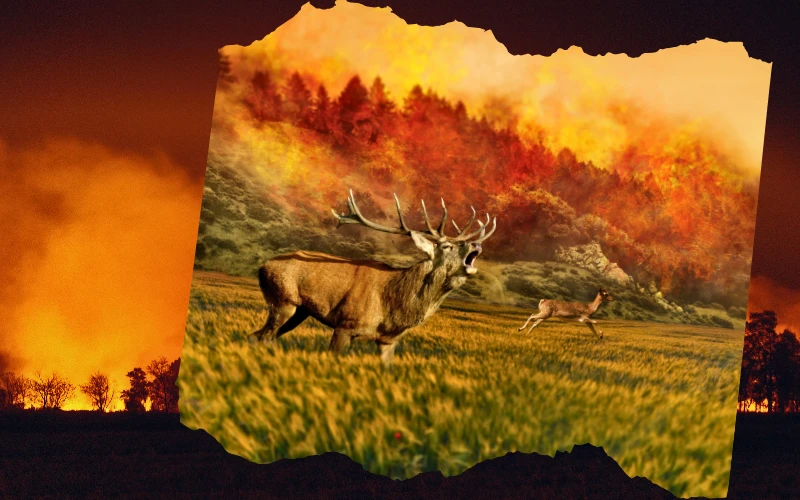
This year, Canada and Australia once again battled megafires that turned skies red and air unbreathable. Imagine forests — once the lungs of our planet — turning into massive furnaces, pumping smoke and carbon into the atmosphere. Entire towns were forced to evacuate, wildlife habitats were erased, and power lines melted like candle wax.
The spark may start small, but the dryness of the land, fueled by climate shifts, fans it into unstoppable infernos.
Lesson for the future: Fires teach us that prevention is protection. Simple steps like clearing dry vegetation around homes, respecting fire bans, and having a go-bag ready can save lives when the horizon glows orange.
Earthquakes: The Ground’s Sudden Betrayal
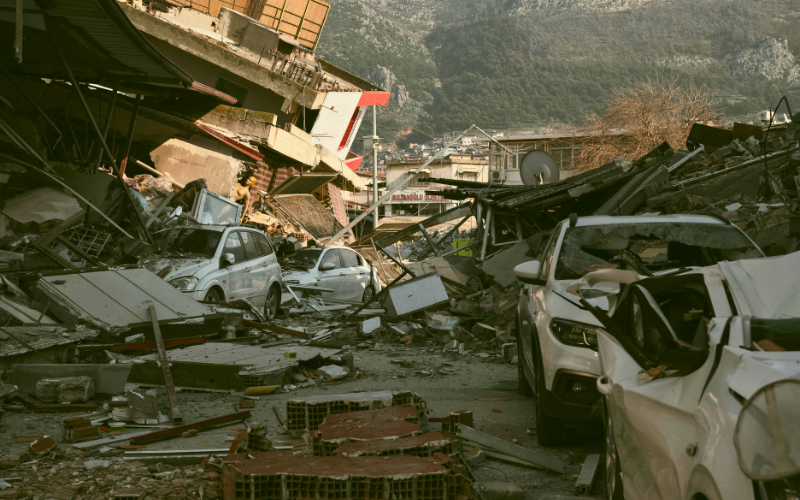
While floods and fires can sometimes be predicted, earthquakes strike like a sudden betrayal from the very ground beneath us. In Japan and South America this year, tremors toppled buildings and sent thousands scrambling into open fields.
The science is clear: tectonic plates move, and no human invention can stop them. But unpreparedness turns tremors into tragedies. Poorly built structures collapse like sandcastles against waves.
Lesson for the future: “Drop, Cover, and Hold” may sound simple, but it’s a shield when the Earth decides to shake. Families can practice drills, secure heavy furniture, and know safe spots in their homes. Preparedness is the anchor when the ground turns unpredictable.
Hurricanes and Cyclones: The Fury of the Oceans
This year’s cyclones in South Asia and hurricanes across the Caribbean reminded us of the ocean’s raw power. As some researches showed by NOAA. Warmer seas are like fuel tanks, turning storms into monsters with howling winds and devastating storm surges. In coastal villages, entire neighborhoods were washed away overnight.
Standing near the ocean before a cyclone feels like staring at a restless giant — calm one moment, destructive the next.
Lesson for the future: Respecting the sea means listening to warnings, evacuating early, and building stronger coastal defenses. Personal safety comes before property, always.
Lesson for the future: Respecting the sea means listening to warnings, evacuating early, and building stronger coastal defenses. Personal safety comes before property, always.
The Bigger Picture: Why These Lessons Matter
Every one of these disasters — from water to fire, from earth to air — is part of a single story: the planet is changing faster than we’re prepared for. Some call it climate change, some call it nature’s revenge, but I see it as a teacher. Each disaster is a chapter, painful but full of lessons.
The question is, will we read carefully, or skip ahead and repeat mistakes?
How We Can Prepare Together
- Build Awareness: Schools and workplaces must include disaster drills.
- Use Technology: Weather apps and early warning systems save lives.
- Community Power: Neighbors helping neighbors creates resilience.
- Future Planning: Stronger building codes, green spaces, and sustainable practices reduce risks long term.
Like a lighthouse guiding ships in storms, preparedness is the beacon we must hold onto.
Conclusion: Toward a Safer Future
2025’s disasters were deadly, but they weren’t meaningless. If we see them only as tragedies, we miss the chance to transform them into lessons. But if we treat them as reminders, they can guide us toward a safer, more resilient tomorrow.
So I ask you: the next time you see news of a flood, fire, or storm, will you see it as just another headline — or as nature’s whisper urging us to act smarter, live safer, and prepare better?
Disclaimer
This article is for informational and awareness purposes only. The facts and examples shared are based on credible news reports and scientific resources. For real-time safety instructions, always follow your local disaster management authority.
Contents
- 1 The Deadly Floods That Drowned Cities
- 2 Heatwaves: Invisible Killers in Plain Sight
- 3 Wildfires: When Forests Turn Into Furnaces
- 4 Earthquakes: The Ground’s Sudden Betrayal
- 5 Hurricanes and Cyclones: The Fury of the Oceans
- 6 The Bigger Picture: Why These Lessons Matter
- 7 How We Can Prepare Together
- 8 Conclusion: Toward a Safer Future
- 9 Disclaimer