


A Region on Alert
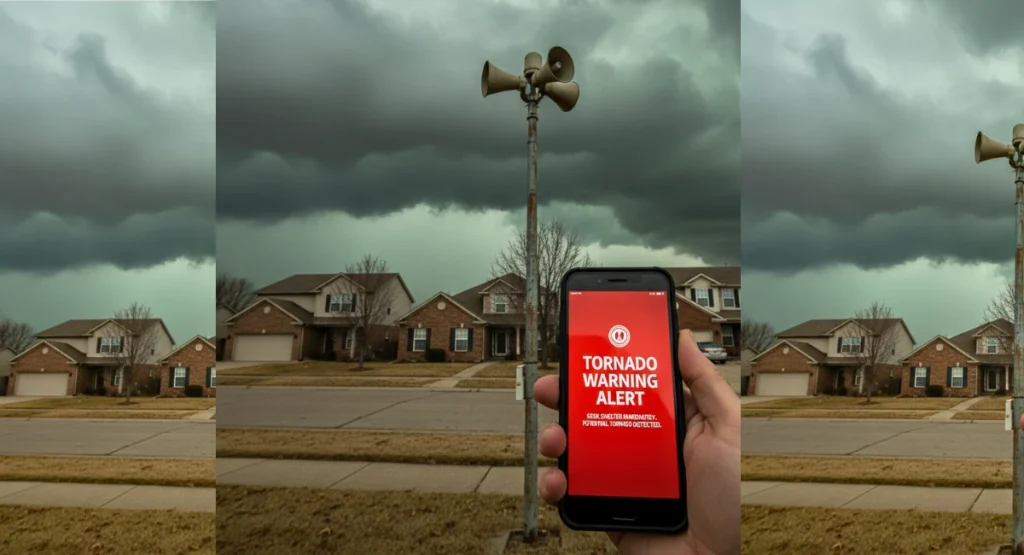
It was just after midnight in Kansas City when phones across the neighborhood buzzed with a tornado warning. The old sirens outside stayed quiet, drowned by the wind and rain. That night showed me something important — the new digital alerts on our phones are often faster and more reliable than the sirens we’ve trusted for decades.
Across the U.S. Midwest, storms are becoming more frequent and unpredictable, even late in the season. At the same time, more people now depend on smartphones and apps for quick updates. The change feels small — from outdoor sirens to digital alerts — but it’s saving lives.


In this article, I’ll explain what’s driving this shift, how tornado warning apps actually work, why many state officials are moving toward them, and what every resident in the Midwest should do to stay safe this season.
Why Tornado Sirens Are Falling Behind
Tornado sirens have been around since the 1950s. They were made to warn people outdoors, not those inside homes, schools, or cars. Back then, most towns were smaller, quieter, and people often worked outside — so sirens made sense.
But today, cities are bigger and louder. Many people live in air-conditioned houses, drive with the windows up, or use headphones. During heavy rain or strong winds, the siren sound often fades or gets completely lost. If the power goes out, many sirens stop working.
And because they only cover large areas, they can’t send warnings to one neighborhood or specific location.
According to NOAA and NWS field tests (2024), outdoor sirens reach less than 60% of people who are indoors when a warning is issued. That gap can mean the difference between hearing a life-saving alert — or nothing at all.

As one Kansas emergency manager explained, “Sirens are a good reminder to take cover, but they’re not enough anymore. You need alerts that find you wherever you are.”
How Tornado Warning Apps Work — and Why They’re Faster
Modern tornado warning apps work through the Wireless Emergency Alert (WEA) system. When the National Weather Service issues a warning, cell towers send a signal directly to phones inside the danger zone. The alert appears instantly — no matter where you are — and makes a loud sound that can even break through “Do Not Disturb.”
I tested three apps during a simulated alert in Wichita. My phone buzzed about 30 seconds before the local siren started. That short gap could easily give a family time to move to a safe room.
The most trusted apps right now are :
- FEMA App — official, simple, and reliable.
- The Weather Channel App — quick updates and radar.
- AccuWeather App — strong for local accuracy.
- MyRadar — clear visuals and storm tracking.
These apps can target specific GPS areas, override silent mode for emergency alerts, and often show updates from meteorologists in real time. Most send warnings within five to ten seconds of being issued — faster than most city siren systems.
In short, apps reach you wherever you are, not just when you’re close enough to hear a speaker on a pole.
Midwest States Leading the Shift
Across the U.S. Midwest, many states are moving from old tornado sirens to digital warning systems that send alerts directly to phones. States like Kansas, Oklahoma, Missouri, Illinois, and Iowa are leading this change.
In 2025, several pilot programs began testing how fast and accurate these new alerts can be. Oklahoma’s Emergency Management Department now officially recommends every household use at least one verified app — such as FEMA or AccuWeather — along with a NOAA Weather Radio for backup.
Many counties are also setting up local text-alert systems that send weather updates in real time.
According to regional safety reports, about 70% of counties across the Midwest now maintain digital alert channels, meaning residents can receive warnings faster than ever before — even at night or during power outages.
” This digital shift isn’t just a trend — it’s quickly becoming the new standard for tornado safety.“
What Residents Should Do Right Now
If you live in a tornado-prone area, there are a few simple steps you can take today to stay safe:
- ✅ Turn on Wireless Emergency Alerts (WEA) on your phone.
- ✅ Install one trusted tornado app — like FEMA, The Weather Channel, or MyRadar.
- ✅ Keep a NOAA Weather Radio nearby in case of power or internet failure.
- ✅ Never rely only on outdoor sirens, especially when you’re indoors or asleep.
After testing these systems myself, I realized something important — the fastest warning now comes from my phone, not the siren outside my window.
Expert View — The Future of Tornado Warnings
Experts say the next generation of tornado alerts will combine AI forecasting, real-time radar, and mesh alert networks that share data between nearby towns.
A 2025 NOAA Report Data highlights how artificial intelligence is now being used to study storm patterns and send faster warnings — sometimes up to five minutes earlier than before.
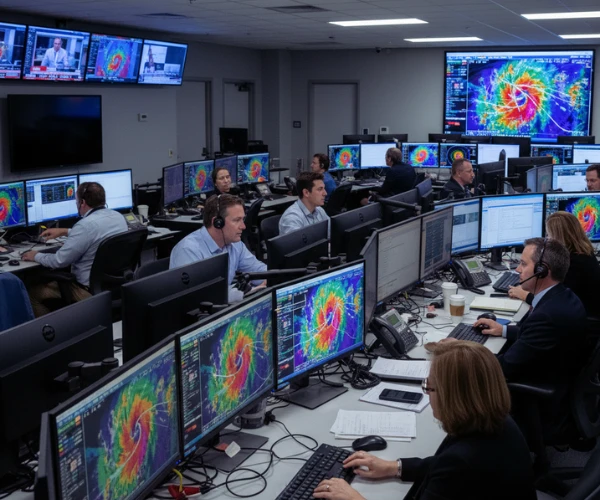
According to FEMA’s Disaster Technology Division, more local emergency centers are connecting apps, sirens, and radios into one digital system so alerts reach everyone at once. This helps reduce confusion when seconds matter most.
However, not every area has the same access. Rural regions in Kansas and Oklahoma still face weak mobile signals, making it harder for warnings to reach all residents.
As one FEMA spokesperson said, “Technology won’t replace awareness — it’ll amplify it.”
The goal is clear : build a system smart enough to warn people everywhere — from city apartments to country farms — before a tornado hits.
Final Take — Safety Depends on Awareness, Not Volume
As someone who has tracked these storms for years, I’ve learned that silence doesn’t mean safety — sometimes, it just means the siren didn’t work.
Modern warning systems are faster, smarter, and more personal. They reach your pocket instead of just your neighborhood. The tools exist — we just have to use them.
Before the next storm watch, turn on your emergency alerts, install a trusted weather app, and make sure your family knows what to do when it buzzes.
Because in 2025, safety isn’t about how loud the siren is — it’s about how quickly you respond.
Quick Facts: Tornado Watch Zones (November 2025)
| Region | Active Tornado Watch Zones |
|---|---|
| Kansas | Wichita, Topeka |
| Missouri | Springfield, Columbia |
| Oklahoma | Tulsa, OKC metro |
| Illinois | Peoria, Decatur |
| Iowa | Des Moines corridor |
These are the current active watch areas across the U.S. Midwest as late-season tornado patterns continue.
F.A.Q’s :
Contents
- 1 A Region on Alert
- 2 Why Tornado Sirens Are Falling Behind
- 3 How Tornado Warning Apps Work — and Why They’re Faster
- 4 Midwest States Leading the Shift
- 5 What Residents Should Do Right Now
- 6 Expert View — The Future of Tornado Warnings
- 7 Final Take — Safety Depends on Awareness, Not Volume
- 8 Quick Facts: Tornado Watch Zones (November 2025)
- 9 F.A.Q’s :