


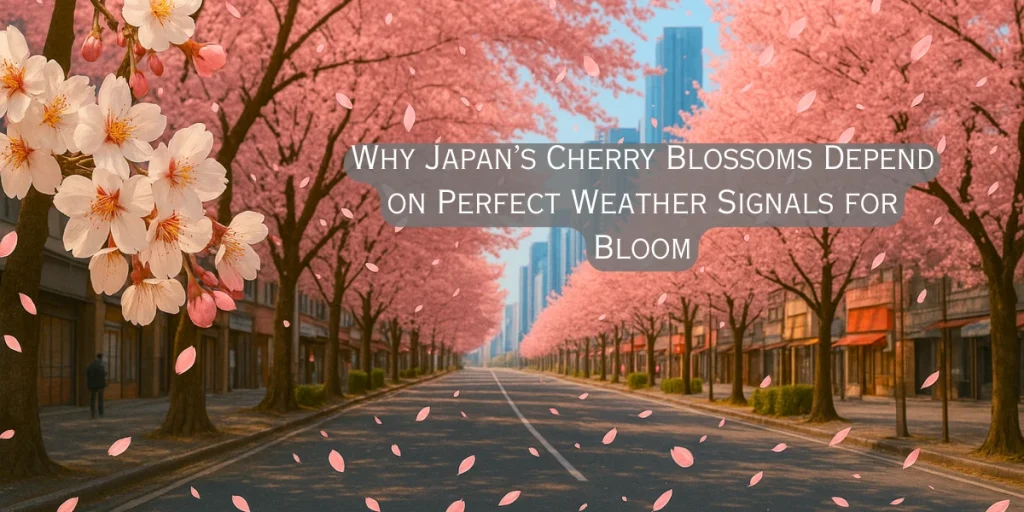
When I first saw cherry blossoms in Tokyo, I felt like I was walking inside a pink snow globe. But here’s a thought—have you ever wondered why these fragile flowers bloom with such precision every year?
The truth is, cherry blossoms aren’t just pretty petals; they’re nature’s most sensitive clocks, waiting for the perfect weather signals to tell them when it’s time.
The Science of Sakura Timing
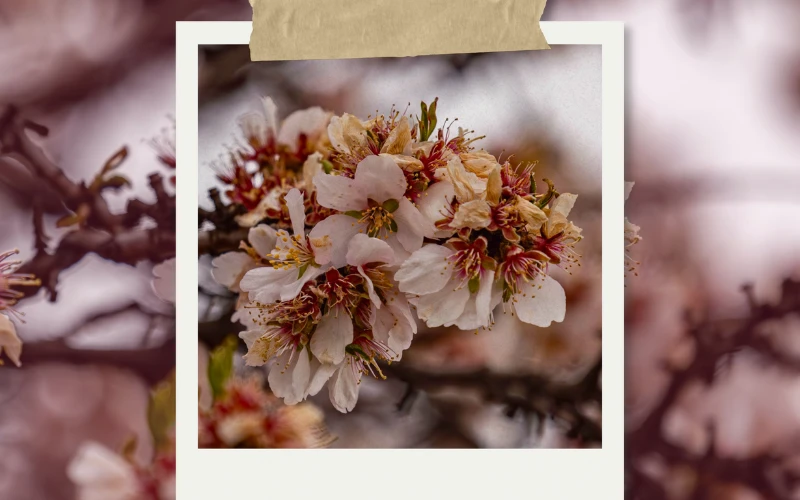
Cherry blossoms, or sakura, don’t bloom simply because it’s “spring.” They require two perfect stages: a cold winter to put the buds into dormancy, followed by a gentle warming period that signals it’s safe to open.
Scientists call this a “temperature accumulation process.” Think of it like the trees keeping score of warm days until they’ve had enough to trigger flowering. If the winter is too mild or the warming too fast, the timing shifts.
Research from the Japan Meteorological Agency (JMA) shows that the average full bloom in Tokyo now happens 5–7 days earlier than 50 years ago due to changing winters. It’s as if the trees are listening closely to whispers of temperature changes before opening their petals.
When Weather Gets It Wrong
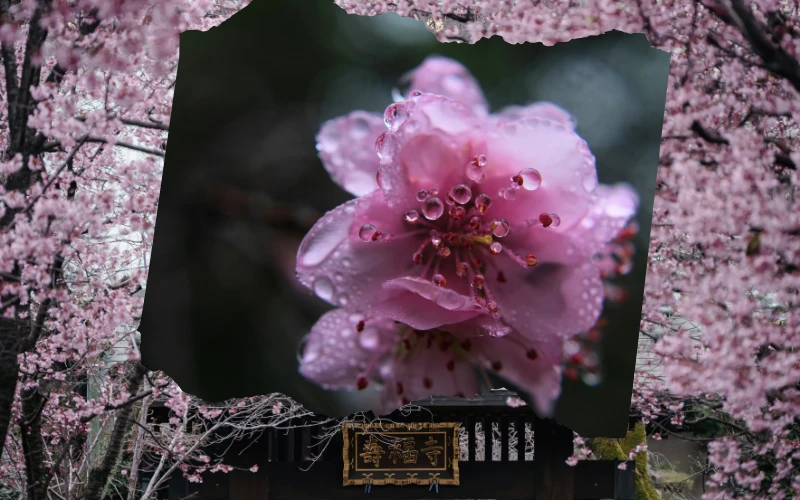
I’ve seen years when blossoms opened early, only to be hit by unexpected frost, leaving petals browned and brittle within days. Other times, sudden rainstorms swept entire canopies clean before festivals even began. It’s a reminder that these blooms aren’t just beautiful—they’re fragile messengers of balance.
In 2021, Kyoto recorded its earliest bloom in over 1,200 years due to unseasonable warmth, an event scientists linked directly to climate anomalies.

Why It Matters Beyond Beauty
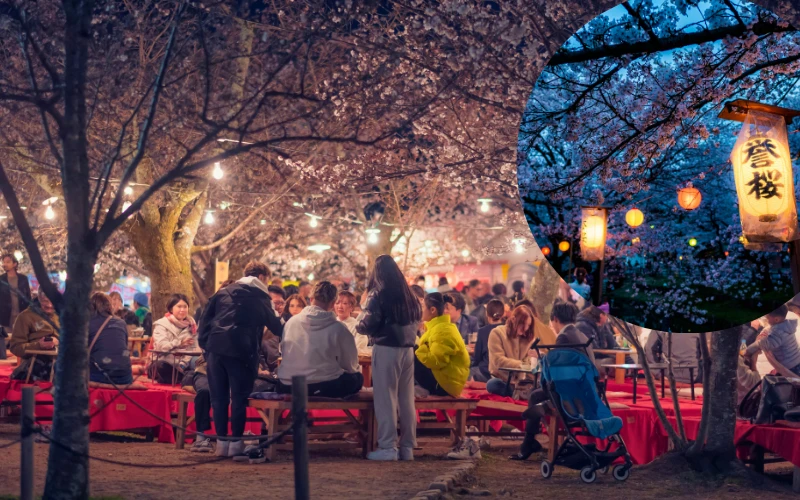
Cherry blossoms aren’t only flowers; they’re an entire season of joy in Japan. From hanami picnics under blooming trees to billions of yen in tourism revenue, the timing of sakura is woven into culture and economy. I remember sitting under half-open trees in Ueno Park, watching locals spread picnic mats as if waiting for a celebrity to walk in.
According to the Japan National Tourism Organization (JNTO), over 60 million domestic and international tourists plan trips around cherry blossom season every year. One week of mistimed blooms can ripple into hotel cancellations, flight changes, and cultural disappointments.
Climate Change: A Fragile Future
Here’s the worrying part—cherry blossoms are blooming earlier, and it’s not a coincidence. Studies from Kyoto University show sakura dates have shifted 7–10 days earlier over the last century (source). For me, that feels like a beautiful symphony being played faster every year, leaving us less time to enjoy it.
As someone who dreams of taking my children to see sakura, I wonder—will the season eventually move so early that it misses spring festivals altogether? That question keeps both scientists and travelers on edge.
How Japan Tracks Bloom With Precision
To preserve this fleeting wonder, Japan invests heavily in forecasting. The Japan Meteorological Agency (JMA) monitors over 1,000 observation points points to predict the “cherry blossom front” as it moves north across the country.
Apps like WeatherNews Japan even update forecasts daily with maps, making it easier for travelers to plan. Accuracy has improved so much that forecasts can now predict blooming within 3–5 days. It’s almost like a national countdown clock where everyone—from schoolchildren to tourists—is refreshing weather apps together.
Reflection: Nature’s Most Delicate Performance
For me, cherry blossoms are a reminder that beauty is fragile, and timing is everything. They bloom when the weather sends the perfect invitation, and if that invitation is even slightly delayed or rushed, the show is over.
So let me ask you: if the world’s most celebrated flower depends on harmony, what does that say about how closely we should listen to our own environment?
Disclaimer
This article is intended for informational and educational purposes only. The blooming period of cherry blossoms can vary each year depending on weather patterns and environmental conditions. Readers are encouraged to check official forecasts and local updates before planning travel or events.