


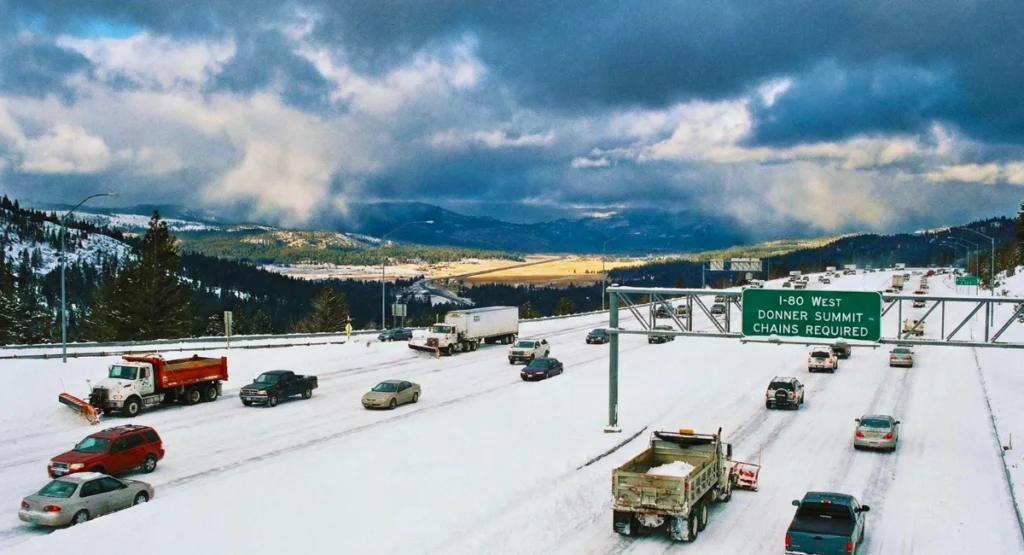
A fast weather update on the U.S. regions seeing little to no snowfall this week, while major storms disrupt travel across several states.
Why Low-Snowfall Zones Matter Right Now
Much of the United States is facing heavy snow, icy roads, travel delays, and back-to-back winter storm warnings. But not every region is covered in snow.
Some areas are still clear, stable, and safer for winter travel.
In this report, I’m tracking where snowfall is low right now, and which U.S. routes remain open and safer for people traveling this week.
Where Heavy Snow Is Falling
Major Storm Zones This Week
- Colorado High Country
- Minnesota, Wisconsin, Michigan
- New York to Massachusetts
- North Carolina interior
- Washington, D.C. region
- Northern Rockies
These regions are seeing dangerous driving conditions, poor visibility, and major delays.


Heavy snowfall continues to disrupt flights and road travel across major U.S. cities.
Travel Impact
- Flight cancellations
- Road closures
- Slow-moving traffic
- Sudden freeze risks
This makes the low-snowfall zones more important for anyone planning a trip.
The Low-Snowfall Zones Right Now
After checking the latest weather model updates and storm alerts, here are the regions in the U.S. with little or no snowfall this week.
- Southern United States — Warm and Stable
- Texas
- Louisiana
- Mississippi
- Alabama
- Southern Georgia
- Entire Florida
Why no snow: Warm Gulf air is blocking cold fronts.
These states are currently offering the most consistent snow-free travel conditions.
- Southwest Desert Region — Dry and Clear
- Phoenix, Tucson
- Las Vegas Valley
- Palm Springs, Los Angeles, San Diego
Weather pattern: A dry high-pressure system is keeping the region warm.
Snow chances are near zero in these deserts and lowlands.
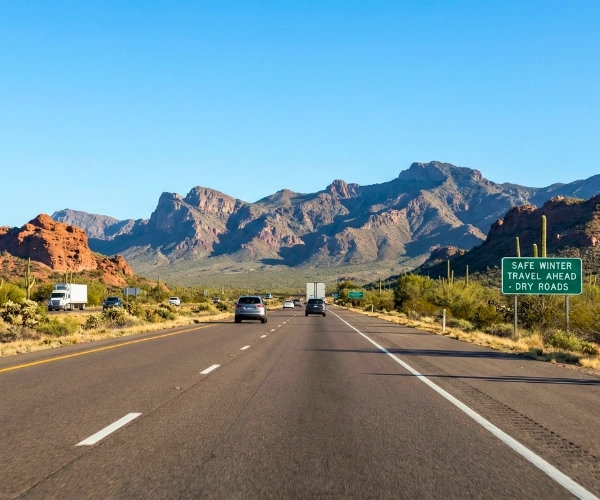
Southwest desert routes remain warm and snow-free, offering safer travel options during winter storms.
- West Coast Lowlands — Rain But No Snow
- California Coast (Bay Area + Central Coast + SoCal Coast)
- Oregon Coast
- Washington Coast
Even with storms inland, temperatures near the coast are too warm for snow.
Travelers may see rain, but road conditions stay safer than snowy regions.
- Mid-Atlantic Coast — Cold but Snow-Free
- Virginia Beach
- Outer Banks (North Carolina)
- Myrtle Beach (South Carolina)
These coastal areas remain mostly free of snowfall because of warm ocean influence.
- Central Plains Pockets With Low Snowfall
- Southern Kansas
- Oklahoma City area
- North Texas (DFW corridor)
These regions are seeing light precipitation but very limited snow.
Travel Corridors With the Least Snowfall
These are the routes I found most reliable for people trying to avoid snow this week.
I-10 Corridor (California → Arizona → Texas → Gulf States)
One of the safest long-distance winter routes in the U.S.
Clear roads and warm temperatures.
Pacific Coast Highway (California)
Zero snowfall. Only rain in some areas.
A good option for coastal travel.
U.S. Route 95 (Nevada → Arizona)
A dry desert highway with minimal weather interruptions.
Coastal Carolina Route
Travel along the coast remains snow-free and manageable.
Florida Loop (Orlando → Tampa → Miami)
The warmest region in the continental U.S.
Perfect for people escaping storms.
Why These Areas Are Staying Snow-Free
Most low-snowfall regions share the same weather pattern:
- El Niño is warming the southern U.S.
- The jet stream is dipping north, pushing storms into the Midwest and Northeast
- Coastal regions stay warm because of ocean temperatures
- Desert regions stay clear because of dry air
In simple words: the cold air needed for snow is missing in these areas.
What Travelers Should Still Watch For
Even snow-free regions can have weather risks:
- Heavy rainfall
- Fog, especially in valleys
- Sudden night-time freezing
- Strong winds in Plains and coastal areas
I always recommend checking local travel advisories before starting a long road trip.
Today’s Low-Snowfall Map
A fast snapshot of snow-free or low-snow regions:
- West Coast lowlands → No snow
- Southwest deserts → Clear
- Gulf States → Warm and stable
- Southern Plains → Limited snow
- Florida → Fully snow-free
Clearer Paths During a Stormy Week
As large parts of the U.S. deal with winter storms, these low-snowfall zones provide safer travel options.
I will keep tracking storm patterns and share updates as conditions change.
Disclaimer
The weather information in this article is based on the latest publicly available forecasts at the time of writing. Conditions can change quickly. Readers should always check local weather alerts, official advisories, and road updates before traveling.


Contents
- 1 A fast weather update on the U.S. regions seeing little to no snowfall this week, while major storms disrupt travel across several states.
- 2 Why Low-Snowfall Zones Matter Right Now
- 3 Where Heavy Snow Is Falling
- 4 Major Storm Zones This Week
- 5 Travel Impact
- 6 The Low-Snowfall Zones Right Now
- 7 Travel Corridors With the Least Snowfall
- 8 I-10 Corridor (California → Arizona → Texas → Gulf States)
- 9 Pacific Coast Highway (California)
- 10 U.S. Route 95 (Nevada → Arizona)
- 11 Coastal Carolina Route
- 12 Florida Loop (Orlando → Tampa → Miami)
- 13 Why These Areas Are Staying Snow-Free
- 14 What Travelers Should Still Watch For
- 15 Today’s Low-Snowfall Map
- 16 Clearer Paths During a Stormy Week
- 17 Disclaimer