When The Air Itself Turns Against Us
Have you ever stepped outside on a summer afternoon and felt like the air was no longer something you breathe, but something pressing against your chest? I have. It made me wonder: what happens when the very air we rely on to live becomes the enemy?
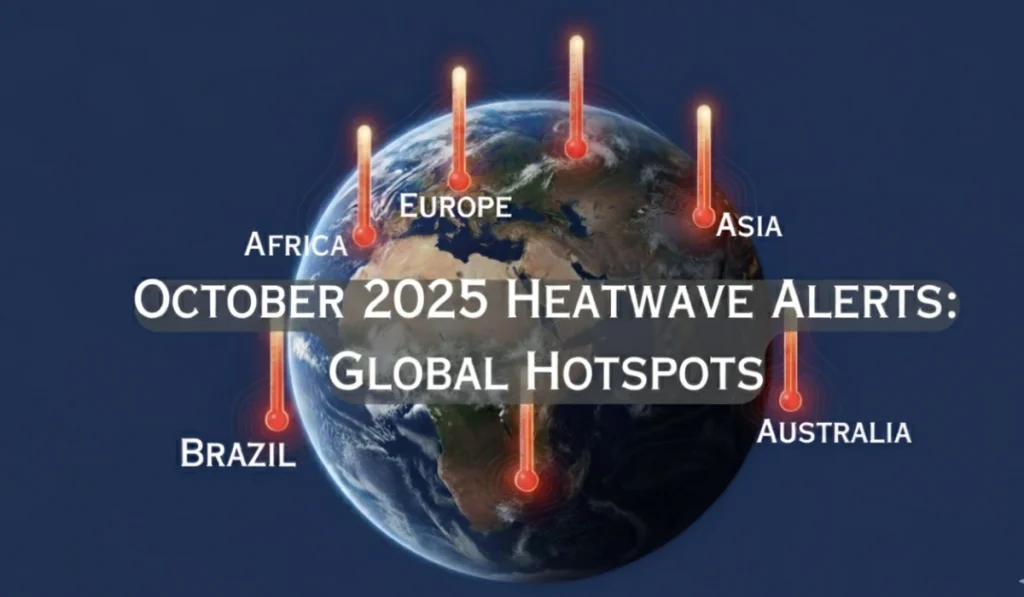
Storms, floods, and earthquakes often grab the headlines — they crash into our lives dramatically. But heatwaves? They creep in silently, like an invisible assassin. You don’t hear them. You don’t see them. And yet, they can shatter lives just as brutally.
Heatwaves: More Than Just “Hot Weather”
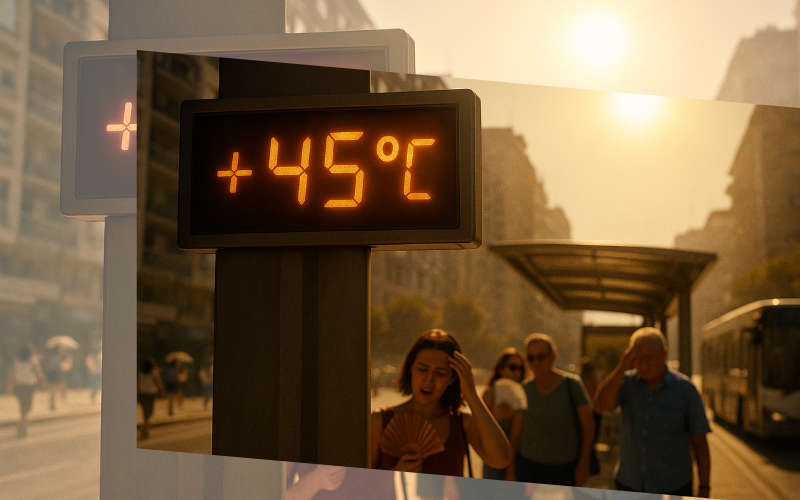
The first time I truly understood a heatwave, it wasn’t from a textbook. It was during the summer of 2022, when the temperature in my city refused to dip below 40°C even at night. Fans spun tirelessly, yet the air felt like a thick wool blanket I couldn’t shake off.
Scientifically, a heatwave is a stretch of unusually high temperatures lasting several days, as the World Health Organisation also emphasis. But that definition misses the lived experience. It’s not just hot weather — it’s a sustained attack on the body’s ability to cope. Imagine asking your phone to run heavy apps nonstop until it overheats and shuts down. That’s our body under extreme heat.
What Heat Does Inside Our Bodies
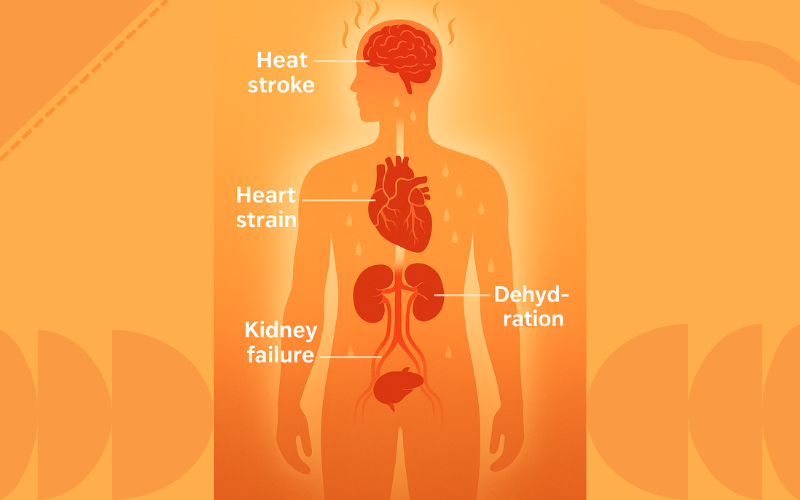
When I learned how heatwaves actually damage us, it felt like reading a crime scene report. Heat doesn’t just make us sweat — it hijacks our biology.
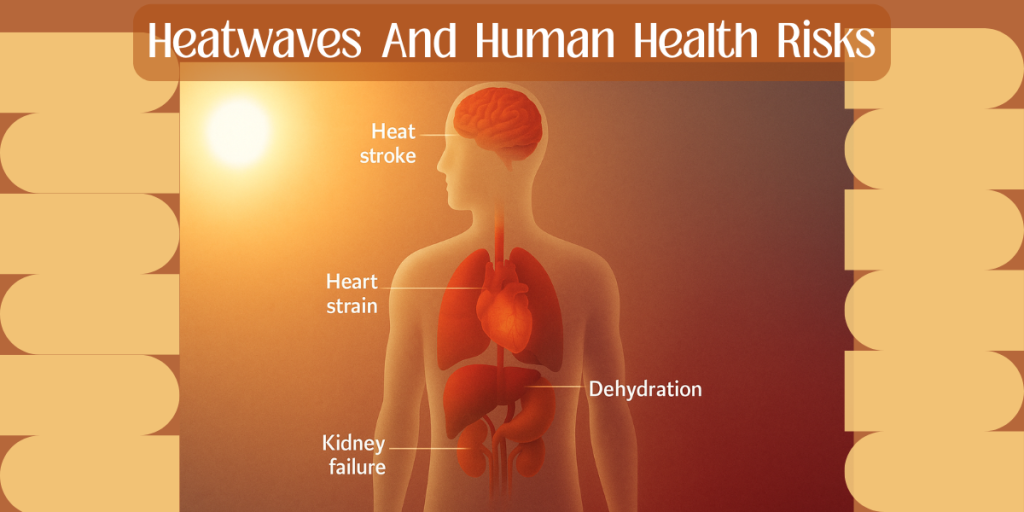
- Dehydration: I’ve felt this personally — no matter how much water I drank, it was never enough. Heat steals moisture faster than we can replace it.
- Overloaded Cooling System: Our bodies sweat to cool down, but in humid conditions, it’s like shouting into a void — the sweat doesn’t evaporate, so the heat lingers.
- Cardiovascular Strain: The heart works like an overworked engine, pumping harder to push blood to the skin. For people with heart issues, this is like driving a car with the warning light blinking.
- Neurological Stress: I once felt oddly disoriented after standing too long in the sun. Later I learned that high heat can literally fog the brain, leading to confusion, dizziness, or even seizures.
And here’s the chilling part — recent research shows that repeated extreme heat exposure ages our cells faster, in some cases worse than smoking or drinking. It’s as if every heatwave is quietly stealing days from our biological clock.
The Faces Behind the Statistics
Whenever we talk about heatwaves, numbers dominate: thousands hospitalized, hundreds of thousands dead worldwide every year. But behind each number is a story.
I think of my grandmother, who never tolerated summers well. Elderly bodies lose efficiency in cooling, making them vulnerable.
I think of children, like my nephew, who once played outside until he vomited from heat exhaustion because he didn’t recognize his limits.
I think of construction workers I pass daily — helmets on, sweat dripping, skin burning under the relentless sun. They don’t get the choice to “stay indoors.” For them, every hour is a gamble with health.
And then there are pregnant women. A close friend of mine struggled through her summer pregnancy — fatigue, swelling, constant thirst. Doctors explained how extreme heat could even trigger preterm labor.
Heatwaves don’t just test bodies. They test inequalities. Those without access to air conditioning or even shaded spaces carry the heaviest burden.
The Health Risks We Can’t Ignore
The more I read and observed, the more I realized heatwaves aren’t just uncomfortable — they’re deadly in layers:
- Heat Exhaustion: Heavy sweating, weakness, nausea — I’ve felt this after just a few hours outside. Left unchecked, it can spiral into something worse.
- Heat Stroke: A medical emergency. Body temp skyrockets, the skin stops sweating, confusion sets in. Without help, death follows quickly.
- Heart and Kidney Strain: Silent damage. Organs overwork until they falter.
- Mental Health Toll: Studies link extreme heat to higher irritability, anxiety, and even aggression. Heat doesn’t just fry circuits in machines — it frays nerves in humans too.
What I’ve Learned To Do Differently
After living through multiple brutal summers, I’ve built small rituals — not out of fear, but out of respect for what heat can do.
- Hydration isn’t optional: I drink water hourly, even before I feel thirsty. Sometimes coconut water or lemonade with a pinch of salt.
- Rearranging my day: Mornings and evenings are for errands. Afternoons are for shade. I no longer feel guilty canceling outdoor plans during peak heat.
- Cooling the home: Curtains drawn, windows opened only at night, reflective sheets on glass panes — small steps, big difference.
- Food as defense: Lighter meals, more fruits like watermelon and cucumbers. Avoiding spicy or oily foods that make the body feel heavier.
- Community care: During the last heatwave, I checked daily on an elderly neighbor who lived alone. Sometimes saving lives starts with knocking on a door.
The Bigger Climate Picture
Every time I feel suffocated by a heatwave, I remind myself: this is climate change made personal. Scientists warn that what used to be a “once in 20 years” hottest day could soon happen every other year, Lancet report on climate ad health. That’s not weather anymore — that’s climate rewriting our future.
And while individual precautions matter, we also need bigger actions: heat action plans, cooling centers, early warning systems, and serious climate policy. Because no amount of personal hydration will help if global temperatures keep soaring unchecked.
Conclusion – Heat Is No Longer Harmless
Writing this isn’t just about facts. It’s about what I’ve lived, seen, and feared. Heatwaves are not just “summer inconveniences.” They are silent emergencies. They test our health, our resilience, and our compassion for those more vulnerable than us.
So I ask you: the next time a heatwave grips your city, will you see it as just hot weather, or as a call to protect yourself and those around you?
Disclaimer
This article is based on my personal experiences and supported by scientific research. It is intended for informational purposes only and is not a substitute for medical advice. If you or someone you know shows symptoms of heat-related illness, seek professional help immediately.
Contents