


Have you ever wondered what keeps our planet alive and balanced? While we often think of forests as Earth’s lungs, the truth is—oceans are our lifeline. Covering over 71% of the Earth’s surface, oceans are not just massive bodies of water.
They regulate climate, produce oxygen, sustain biodiversity, and support billions of people. In short, without oceans, life on Earth would not survive.
Oceans: The Planet’s Climate Regulator
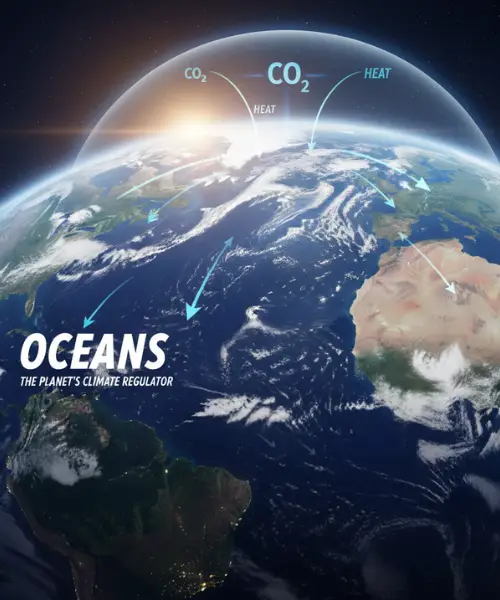
- Carbon Absorption: Oceans absorb around one-third of human-produced CO₂, slowing down climate change.
- Heat Distribution: Ocean currents like the Gulf Stream carry warm water from the equator to colder regions, balancing global temperatures.
- Rainfall & Weather: The ocean drives the water cycle, influencing rainfall, monsoons, and storms.

The Ocean as Earth’s Oxygen Factory
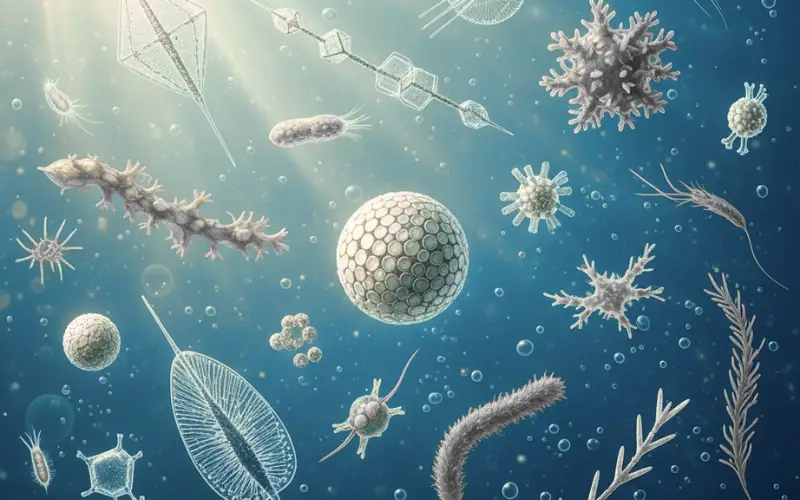
Forests may be the “lungs of the Earth,” but oceans are the real oxygen champions. Tiny organisms called phytoplankton floating in ocean waters produce 50–70% of the oxygen we breathe.

A Biodiversity Hotspot
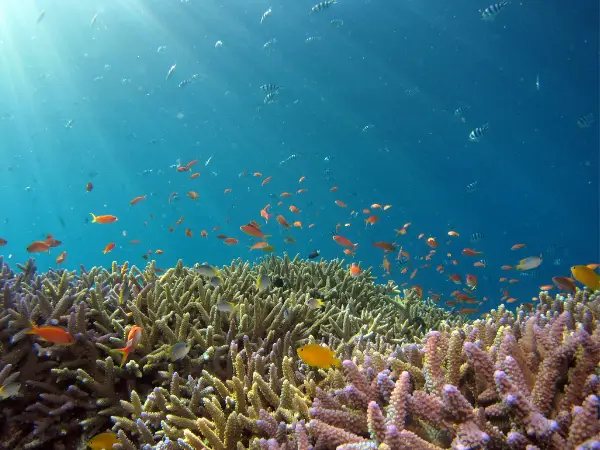
- Coral Reefs: Known as the “rainforests of the sea,” they host 25% of marine life.
- Marine Species: From whales and dolphins to plankton and seahorses, oceans provide diverse habitats.
- Unexplored Life: Scientists estimate over 80% of ocean species are still undiscovered.
Oceans and Human Survival
- Food Security: Seafood provides over 3 billion people with their primary protein source.
- Livelihoods: Millions work in fishing, tourism, and shipping industries.
- Medicines: Many modern drugs are derived from marine organisms, including treatments for cancer and infections.
Oceans as Natural Protectors
The ocean acts as a natural shield against disasters.
- Storm Protection: Coral reefs and mangroves reduce the impact of tsunamis and cyclones.
- Flood Control: Coastal wetlands absorb excess water, preventing floods.
- Climate Buffer: By absorbing CO₂ and heat, oceans prevent extreme climate swings.

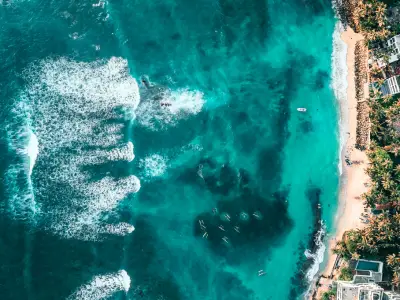
Ocean absorbing CO₂
Coral reef breaking storm waves
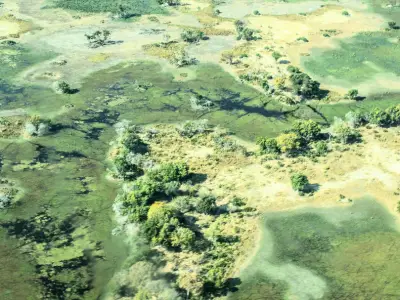
Wetlands soaking flood water
The Threats Facing Oceans
- Overfishing: Unsustainable fishing has pushed many species to the brink of extinction.
- Plastic Pollution: Every year, 11 million tons of plastic enter oceans. By 2050, plastic could outweigh fish.
- Coral Bleaching: Rising temperatures cause corals to die, destroying entire ecosystems.
- Ocean Acidification: Excess CO₂ dissolves into oceans, making water acidic and harming marine life.
- Rising Sea Levels: Melting glaciers and warming oceans threaten coastal cities worldwide.
Fascinating Facts About Oceans
Did you know that oceans cover more than 70% of Earth’s surface, yet over 80% remains unexplored? They produce nearly 50% of the world’s oxygen through tiny organisms called phytoplankton.
Oceans also absorb about 30% of global carbon dioxide emissions, acting as a natural climate buffer. The deepest point, the Mariana Trench, plunges nearly 11,000 meters—deeper than Mount Everest is tall.
Despite their vastness, oceans are under threat, with an estimated 8 million tons of plastic waste entering them each year, endangering marine life and ecosystems.
Global Efforts to Protect Oceans

- UN’s Sustainable Development Goal 14 focuses on “Life Below Water,” aiming to conserve and sustainably use ocean resources.
- International Treaties like the Paris Agreement emphasize reducing carbon emissions to save oceans.
- Marine Protected Areas (MPAs) safeguard sensitive ecosystems and allow species to recover.
What We Can Do to Save Oceans
- Reduce Plastic Use: Carry reusable bags, bottles, and straws.
- Eat Sustainable Seafood: Check for eco-certifications before buying.
- Save Energy: Less energy use = fewer emissions absorbed by oceans.
- Support Ocean NGOs: Groups like Ocean Conservancy and WWF work on global protection projects.
- Spread Awareness: Share knowledge through schools, blogs, and social media.
Oceans Are Earth’s Lifeline
Oceans are not just vast blue waters; they are the heartbeat of our planet. From regulating climate and producing oxygen to feeding billions and protecting coastlines, oceans make life possible. Yet they are under attack from pollution, exploitation, and climate change.
Disclaimer: This article is for educational and informational purposes only. While facts are drawn from credible sources, readers are advised to consult official environmental organizations and scientific bodies for detailed guidance.