


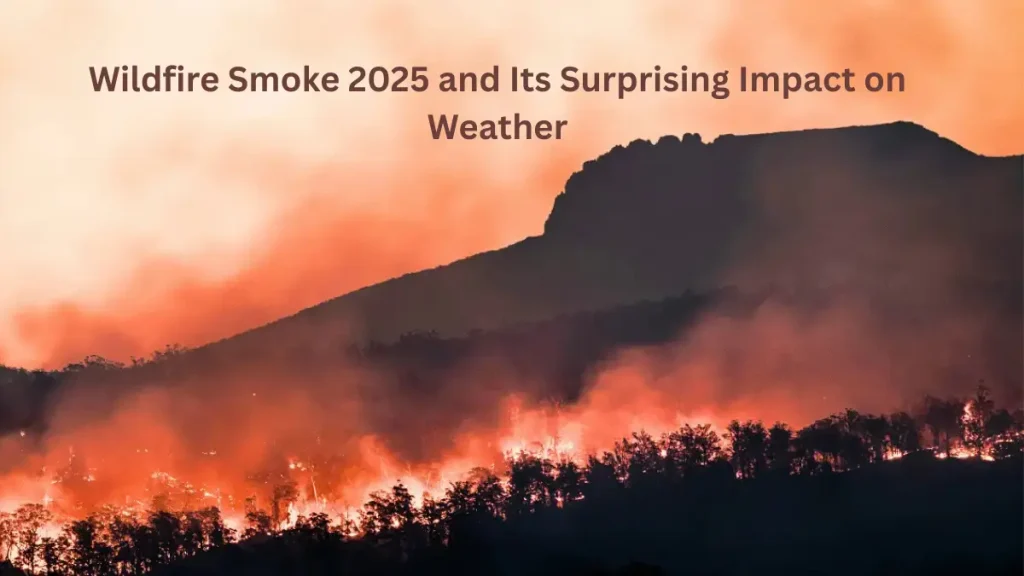
I still remember scrolling through my feed one June morning in 2025 and seeing photos of Paris under an orange haze. It wasn’t a local smog crisis — it was smoke from Canadian wildfires traveling across the Atlantic.
That’s when it hit me: wildfire smoke is no longer just a byproduct of fire, it’s becoming a driver of weather itself.
The Scale of 2025’s Wildfires
By mid-2025, more than 100 million hectares had burned worldwide — nearly double the average in previous decades. Canada, the Amazon, Africa, and Southern Europe all witnessed record-breaking fire seasons.
Satellite images showed smoke plumes so large they stretched across entire continents, blotting out the sun and dropping global visibility to near-apocalyptic levels.
NASA confirmed that wildfire smoke traveled thousands of miles, with Canadian plumes darkening European skies in June.
Smoke and the Heatwave Effect
Most people assume smoke blocks sunlight and cools the air. That’s partly true — at high altitudes, smoke particles reflect sunlight. But closer to the ground, they create a “smoke dome effect”, trapping heat. This made 2025’s already brutal heatwaves even more punishing.

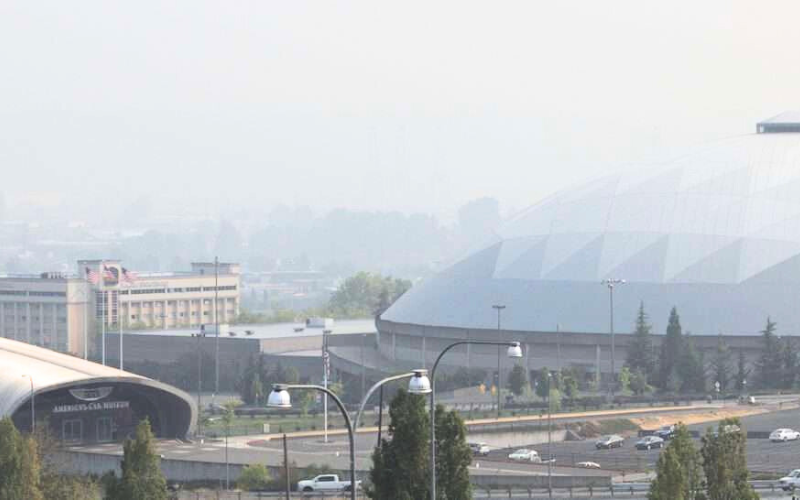
Clouds Without Rain
Perhaps the strangest impact is how smoke changes rainfall. Tiny particles in smoke act as cloud seeds, but when there are too many, they prevent droplets from merging. The result? Clouds that form but fail to release rain.
This was evident in parts of South America and Africa in 2025, where regions under thick smoke saw suppressed rainfall and worsening drought.
Heatwaves Made Worse by Smoke
- Smoke particles can trap heat in the atmosphere, creating what experts call a “smoke dome” effect.
- This leads to more stagnant air and longer-lasting heatwaves in affected regions.
- In California, during the January 2025 fires, researchers noted how smoke held heat close to the surface, intensifying already record-breaking winter temperatures.
Global Ripple Effects
Wildfire smoke doesn’t respect borders. In 2025 we saw:
Canadian smoke dimming skies in London, Paris, and Berlin.
Amazon smoke disrupting rainfall across South America. African savanna fires influencing the strength and timing of the monsoon.
Beyond Weather: Ecosystem and Human Costs
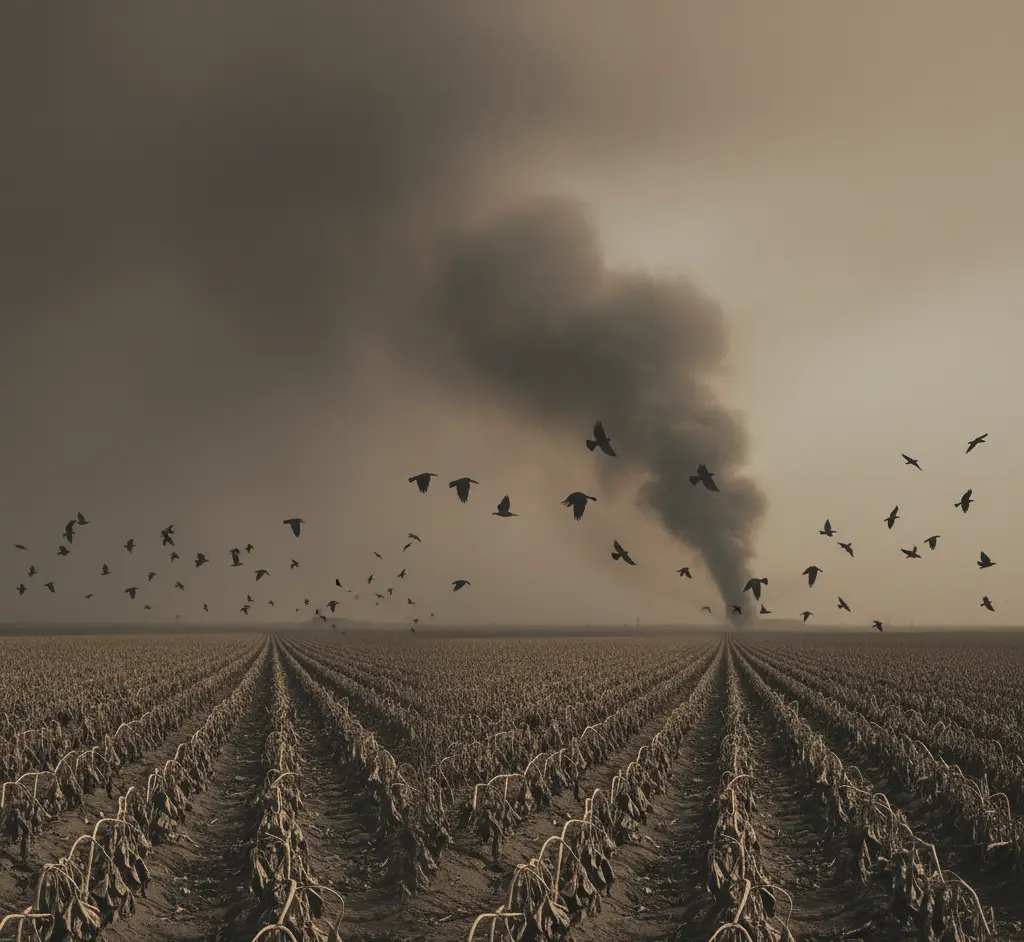
The environmental toll is staggering. Crops wilted under dim sunlight. Pollinators struggled as smoke obscured their natural cues. Migratory birds were disoriented, while marine life faced altered ocean conditions due to reduced sunlight penetration.
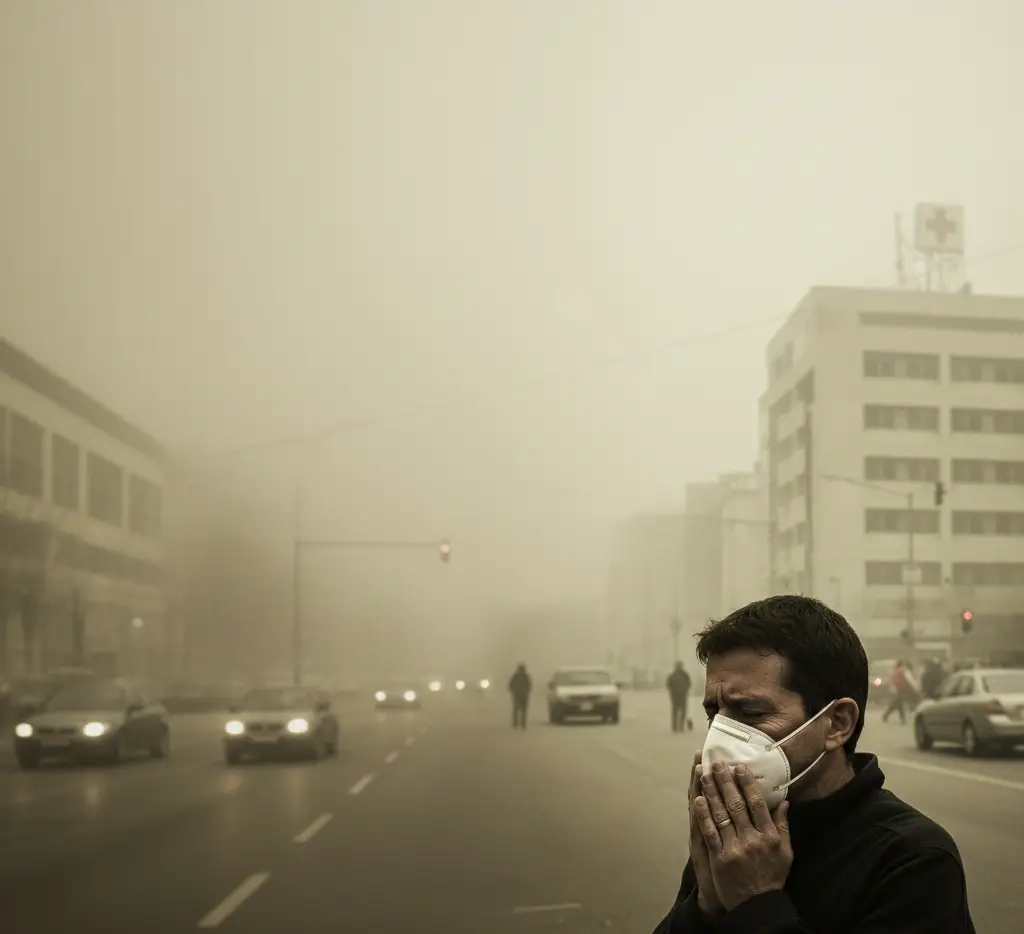
For humans, the crisis was immediate. Millions were exposed to toxic air, increasing respiratory illnesses and straining healthcare systems.
Scientists Sound the Alarm
Climate experts now argue that wildfire smoke has become a weather driver in its own right. It influences jet streams, storm development, and the balance between heat and rain. Dr. Katharine Hayhoe noted that smoke events are not isolated — they’re becoming a repeating feature of our climate system.
Even activists like Greta Thunberg amplified the urgency, reminding the world that the climate crisis is fueling both the fires and their cascading effects.
Impacts Beyond Climate: Wildlife and People
The weather shifts triggered by wildfire smoke don’t just stay in the sky — they affect life on the ground:
Crops: Farmers in Argentina reported stunted soybean growth due to sunlight-blocking haze.
Wildlife: Migratory birds lost navigation cues as smoke dimmed skies, disrupting seasonal patterns.
People: In India, polluted monsoon clouds linked to global smoke haze led to erratic rainfall, worsening flooding in some states and drought in others.


What Can Be Done?
The lesson of 2025 is sobering: wildfire smoke is no longer just an aftereffect — it’s rewriting the script of global weather. But solutions exist:
- Cut greenhouse gas emissions to reduce the warming that fuels megafires.
- Strengthen forest protection and crack down on illegal deforestation.
- Invest in fire prevention strategies: controlled burns, early detection, and community preparedness.
- Support Indigenous land management, which has proven effective in maintaining fire-resilient landscapes.
Final Thoughts
When we look back at 2025, the image that will stick with us isn’t just the fires — it’s the skies they painted. From California’s blood-red sunsets to Europe’s eerie orange haze, wildfire smoke has become a global storyteller of climate disruption.
Disclaimer:This article is for educational and awareness purposes only. Information is based on credible sources, but readers should verify facts with official climate and weather agencies. It is not intended as scientific or legal advice.