
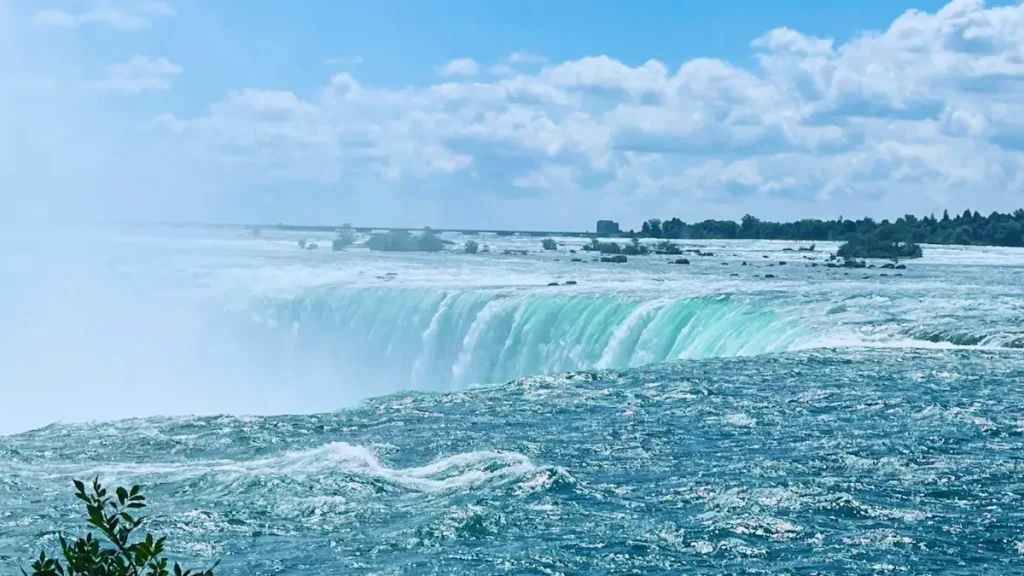
When we think of waterfalls, our minds picture Niagara, Iguazu, or Angel Falls — majestic cascades roaring through mountain cliffs.
But what if the world’s tallest waterfall isn’t visible at all? What if it’s a hidden waterfall, buried deep beneath the ocean between Greenland and Iceland?
This mysterious phenomenon, known as the Denmark Strait Cataract, is the tallest waterfall on Earth, plunging over 3.5 kilometers (11,500 feet) below the ocean’s surface.
Despite its invisibility, this waterfall is one of the most powerful forces shaping our planet’s climate and marine ecosystems.
Let’s dive into the science, beauty, and mystery of this extraordinary underwater marvel — the waterfall beneath the ocean.
What Is the Hidden Waterfall Under the Ocean?
The hidden waterfall between Greenland and Iceland is a massive underwater flow where two large ocean currents meet.
Here, cold, dense water from the Arctic Ocean collides with warmer, lighter water from the Atlantic Ocean, creating a continuous downward flow — the Denmark Strait Cataract.
This invisible cascade plunges more than 3,500 meters (11,500 feet) deep, making it three times taller than Angel Falls, the highest waterfall on land.
So, although it cannot be seen with the human eye, this hidden waterfall is a living, moving part of our ocean’s circulatory system — constantly transporting water, energy, and nutrients.
How Does This Hidden Waterfall Form?
The formation of this waterfall is driven by temperature and density differences between water masses.
Here’s how it works step by step:
- Cold Arctic Water Moves South: Near Greenland, cold water flows southward through the Denmark Strait.
- Warm Atlantic Water Flows North: Meanwhile, warm water from the Gulf Stream travels north from the Atlantic.
- Density Difference Creates Flow: When these two currents meet, the heavier, colder water sinks below the lighter warm water — creating a continuous, downward “waterfall” effect.
- Massive Vertical Drop: This downward plunge extends for over 3.5 kilometers, forming the world’s tallest waterfall.
The Power of the World’s Tallest Waterfall
The flow rate of the Denmark Strait hidden waterfall is estimated at five million cubic meters per second — nearly 20 times the flow of all Earth’s rivers combined.
That means every second, this hidden waterfall moves more water than all the rivers on land put together.
Its tremendous force drives ocean circulation and helps regulate Earth’s temperature balance.
In oceanography, the hidden waterfall is recognized as one of the key players in the Atlantic Meridional Overturning Circulation (AMOC) — the global ocean conveyor belt that transfers warm and cold water across the world’s seas.
Where Is This Hidden Waterfall Found?
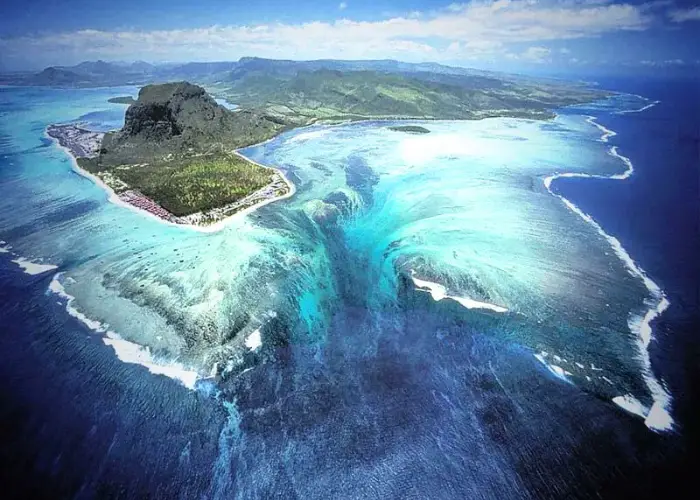
The hidden waterfall lies deep within the Denmark Strait, a narrow stretch of ocean between Greenland (to the west) and Iceland (to the east).
This region marks the meeting point of two major water bodies — the Arctic Ocean and the North Atlantic Ocean.
Why This Location Matters:
- It’s a crucial “mixing zone” for warm and cold currents.
- It plays a central role in the global ocean circulation system.
- It helps regulate climate patterns in Europe and North America.
Why the Hidden Waterfall Matters
This waterfall under the ocean is not just a scientific curiosity — it’s a vital part of Earth’s climate engin
1. Regulates Global Temperature
By transferring cold Arctic water into the deep Atlantic, the hidden waterfall helps balance global heat distribution.
Without this process, regions like Europe would experience far colder winters.
2. Supports Marine Ecosystems
The vertical mixing created by the hidden waterfall brings oxygen and nutrients to deep ocean layers, supporting diverse marine life.
3. Influences Climate Change
Climate scientists warn that if rising global temperatures reduce this circulation, the waterfall’s strength may weaken, potentially disrupting ocean currents and weather systems worldwide.
Hidden Waterfall and the Future of Ocean Science
The discovery of waterfall has transformed how scientists understand ocean dynamics.
It reminds us that Earth’s greatest mysteries often lie beneath the surface — invisible but immensely powerful.
Researchers continue to study the hidden waterfall to understand how it affects:
- Global warming patterns
- Carbon storage in deep oceans
- Marine biodiversity
- Sea-level and current stability
The Beauty of Earth’s Hidden Waterfall
Beneath the calm blue surface of the North Atlantic, a hidden waterfall silently cascades thousands of meters downward — unseen, unheard, yet essential for life on Earth.
The Denmark Strait Cataract, the world’s tallest waterfall, proves that not all natural wonders can be captured in a photograph.
Some exist purely in motion, shaping the planet quietly from below.
As we continue to explore our oceans, we’re reminded that the most extraordinary wonders are often the ones we cannot see — like the majestic hidden waterfall that keeps our world in balance
Disclaimer: This image is used for educational and illustrative purposes to represent the hidden waterfall phenomenon in the Denmark Strait. It may not depict the actual geographical formation but is intended to visually explain the oceanic concept.
Contents