
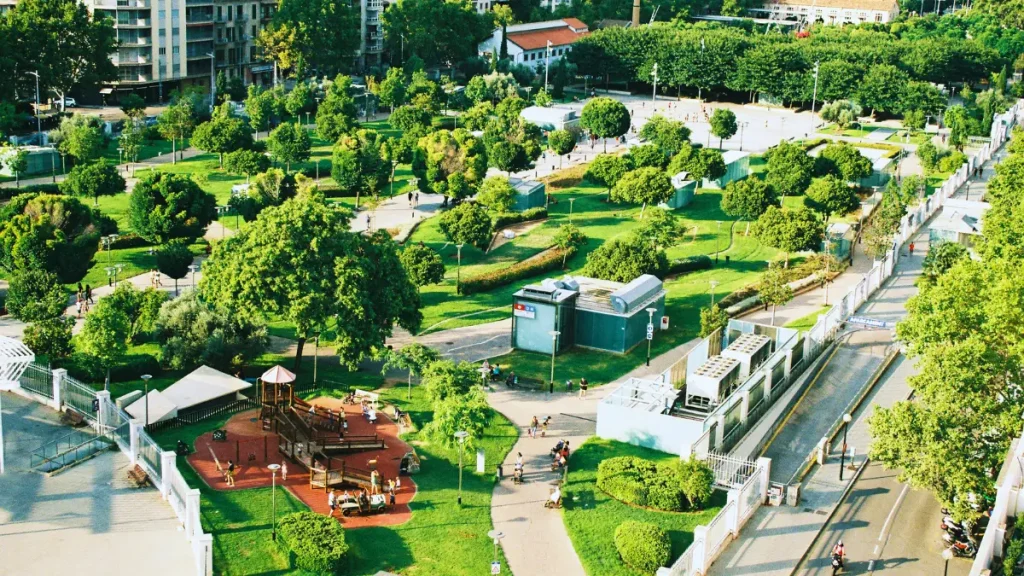
As the world battles climate change, rising pollution, and rapid urbanization, the race to build greener, smarter, and cleaner cities has never been more important. Across continents, several cities are proving that sustainability and modern living can go hand in hand.
In 2025, these cities are leading the global charge — investing in renewable energy, circular economies, electric transport, and green architecture. These are not just eco-friendly urban areas; they are living examples of how innovation can restore the planet.
Let’s explore the top 10 most sustainable cities in the world, and what makes them the blueprint for our collective future.
Copenhagen, Denmark – The Carbon-Neutral Vision
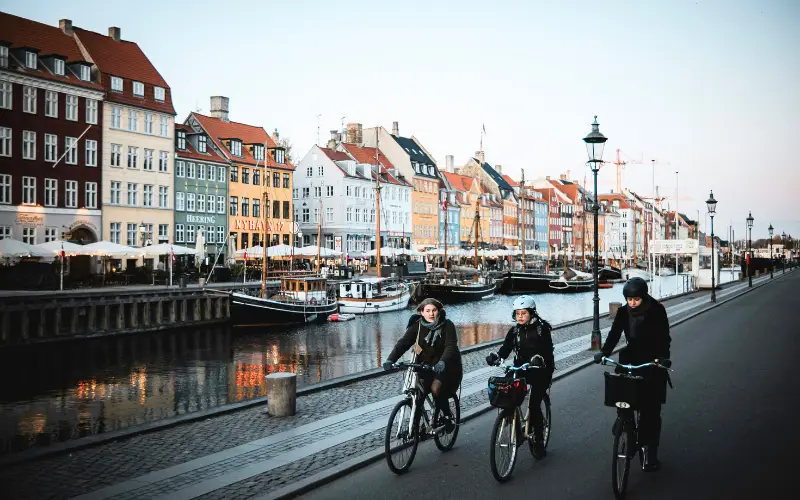
Copenhagen consistently tops global rankings of the most sustainable cities thanks to its ambitious goal of becoming carbon-neutral by 2030. Nearly half of its residents commute by bicycle, and its public transport system runs largely on renewable energy.
The city’s heating system efficiently reuses waste heat from industries, and green rooftops dominate its skyline. From solar-powered boats to smart waste management, Copenhagen stands as a role model for sustainability and urban innovation.
Stockholm, Sweden – The Clean Energy Pioneer
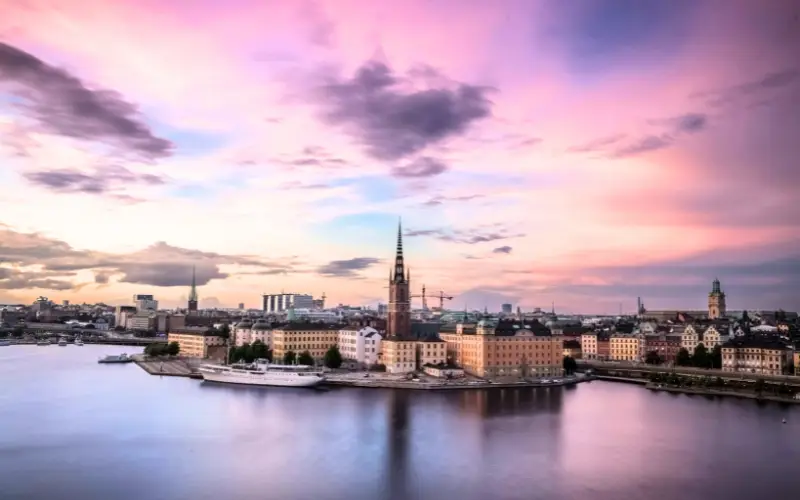
Stockholm’s reputation as one of the most sustainable cities comes from its early adoption of clean energy and eco-friendly urban planning. The Swedish capital sources most of its power from renewables, including hydro and wind energy.
With over 80% of waste recycled or converted into energy, Stockholm’s circular economy is one of the world’s most efficient. The city’s commitment to zero fossil fuels by 2040 makes it a global benchmark in environmental leadership.
Zurich, Switzerland – The Smart Urban Ecosystem
Zurich has built a reputation as a financial hub with an environmental conscience. It ranks among the most sustainable cities in Europe due to its world-class waste recycling systems, clean transport, and eco-focused city planning.
Zurich’s tram and bus networks run on hydropower, while its citizens actively participate in energy-saving programs. Strict regulations on construction and emissions ensure Zurich’s clean air and high quality of life remain unmatched.
Oslo, Norway – The Electric City
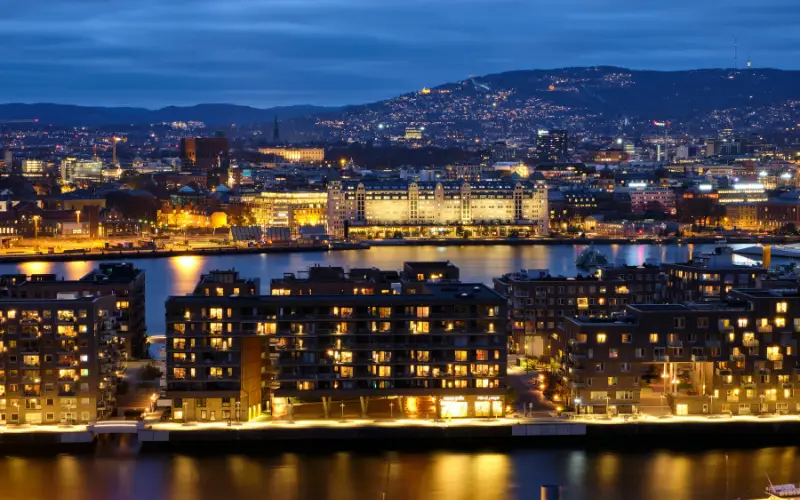
Oslo is a global leader in electric mobility — over 80% of new cars sold in the city are electric. Backed by Norway’s hydropower-driven grid, the city’s emissions are among the lowest in the world.
What makes Oslo one of the most sustainable cities is its focus on urban forests and biodiversity. The city has protected natural spaces even as it modernizes, ensuring nature remains a core part of its identity.
Amsterdam, Netherlands – The City of Circular Economy
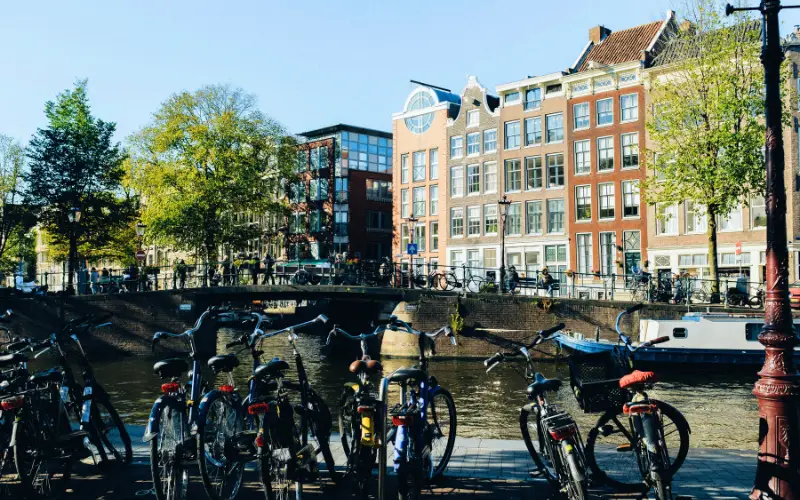
Famous for its canals and cycling culture, Amsterdam is also a pioneer in circular city planning. It aims to reduce waste by 50% by 2030 and become fully circular by 2050.
Smart energy grids, electric boats, and eco-housing projects make it one of the most sustainable cities globally. The government’s collaboration with local startups to reduce carbon footprint through AI and data-driven insights is a standout model for other nations.
Singapore – Asia’s Greenest Metropolis

Singapore, often called the “Garden City,” leads Asia’s sustainability revolution. Despite limited space, it integrates greenery into every aspect of urban life — from vertical gardens on skyscrapers to smart irrigation systems.
As one of the most sustainable cities in the world, Singapore uses AI to optimize water and energy use, invests in electric public transport, and has strict policies on waste reduction. Its “Smart Nation” initiative blends technology with ecology, setting a high standard for megacities across Asia.
Vancouver, Canada – North America’s Green Leader

Vancouver’s goal of becoming the greenest city in the world is well on track. With clean hydropower providing nearly all its electricity, and strong policies on zero waste and green transport, the city exemplifies North American environmental leadership.
What makes Vancouver one of the most sustainable cities is its balance between urban progress and nature. Surrounded by mountains and sea, it protects biodiversity while promoting renewable growth and community-driven sustainability programs.
Helsinki, Finland – The Nordic Model of Sustainability
Helsinki combines cutting-edge design with environmental awareness. The city’s “Carbon Neutral 2030” plan promotes low-emission transport, sustainable architecture, and green energy.
Its residents actively use public transport, and new buildings meet strict eco-design standards. As one of Europe’s most sustainable cities, Helsinki is proof that technology, design, and ecology can coexist beautifully.
Munich, Germany – The Urban Energy Transformer
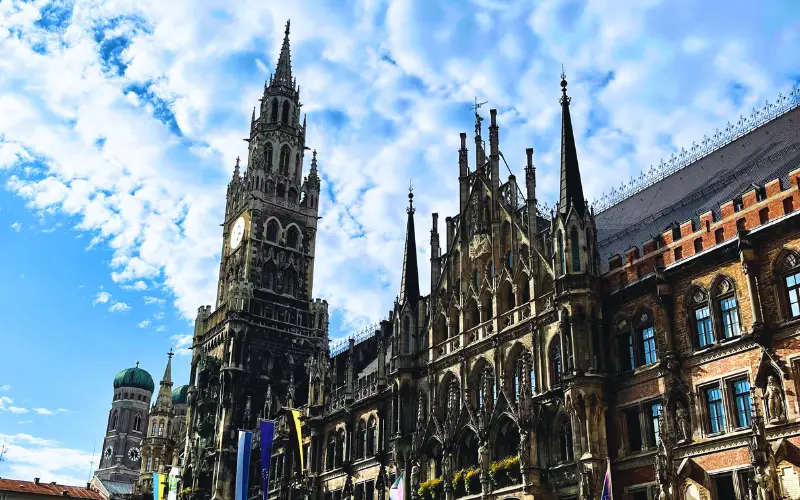
Munich is at the heart of Germany’s renewable energy transition. The city aims to supply 100% renewable electricity by 2035 and invests heavily in solar and wind projects.
Public transportation, including trams and e-buses, runs on green energy, while urban farming initiatives are expanding. Munich’s focus on sustainable housing and recycling cements its place among the most sustainable cities in the world.
London, United Kingdom – The Global Climate Innovator
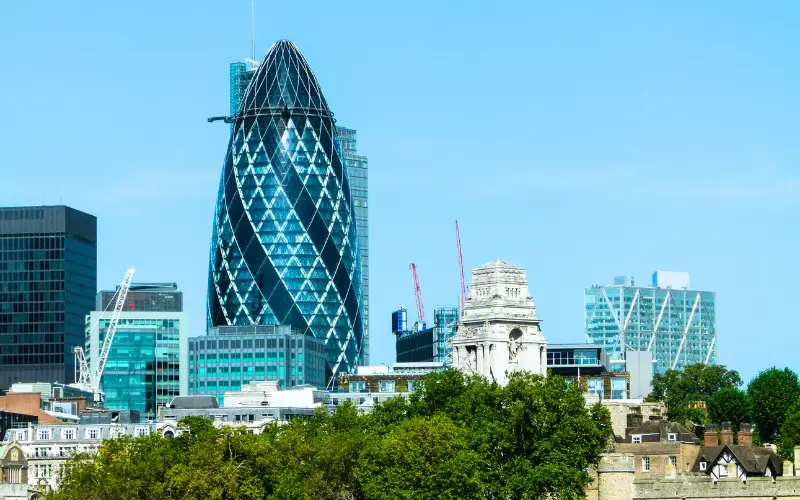
London may be one of the world’s largest financial hubs, but it’s also a global leader in climate innovation. With the introduction of Ultra Low Emission Zones (ULEZ), electric buses, and massive renewable investments, the city is transforming its skyline sustainably.
The British capital continues to rise in rankings of the most sustainable cities, thanks to strong green policies, innovation in urban planning, and its commitment to achieving net-zero emissions by 2040.
Why These Cities Lead the Way
What makes these cities the most sustainable cities in the world isn’t just technology — it’s mindset. Each has embedded sustainability into its culture, infrastructure, and governance. From waste-free living to clean mobility, they’re showing how climate goals can translate into real, measurable impact.
Their success also highlights how collaboration between governments, citizens, and businesses is the key to lasting environmental change. Whether through smart grids, AI monitoring, or eco-conscious lifestyle choices, these cities are redefining how the future will look — clean, connected, and carbon-free.
The Future of Urban Sustainability
The story of the most sustainable cities is more than a list — it’s a roadmap for the world. As urban populations grow, sustainability will no longer be optional; it will be essential.
Cities that invest in renewable energy, protect natural ecosystems, and empower communities to live consciously are building a stronger future — one that balances progress with preservation.
From Copenhagen to Singapore, these cities remind us that when innovation meets responsibility, sustainability becomes more than a goal — it becomes a lifestyle.
Disclaimer: This article is based on verified sustainability reports available as of 2025. It is for informational purposes only, and city rankings or environmental data may change with future updates or official revisions.

Contents
- 1 Copenhagen, Denmark – The Carbon-Neutral Vision
- 2 Stockholm, Sweden – The Clean Energy Pioneer
- 3 Zurich, Switzerland – The Smart Urban Ecosystem
- 4 Oslo, Norway – The Electric City
- 5 Amsterdam, Netherlands – The City of Circular Economy
- 6 Singapore – Asia’s Greenest Metropolis
- 7 Vancouver, Canada – North America’s Green Leader
- 8 Helsinki, Finland – The Nordic Model of Sustainability
- 9 Munich, Germany – The Urban Energy Transformer
- 10 London, United Kingdom – The Global Climate Innovator
- 11 Why These Cities Lead the Way
- 12 The Future of Urban Sustainability