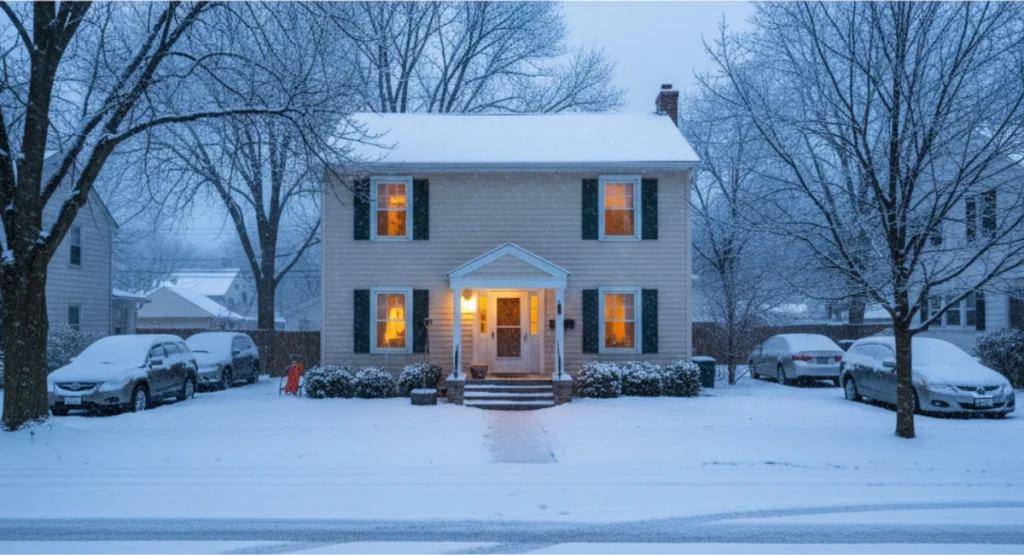
A fast-changing winter weather pattern is bringing stronger storms, freezing rain, and sudden cold waves across the U.S. This year, experts say simple preparedness can protect families from the worst impacts.
A Winter Season Turning Unpredictable
Winter storms are becoming harder to predict. One week brings warm temperatures, and the next brings snow, ice, or heavy rain. In many states, conditions have changed within hours — not days.
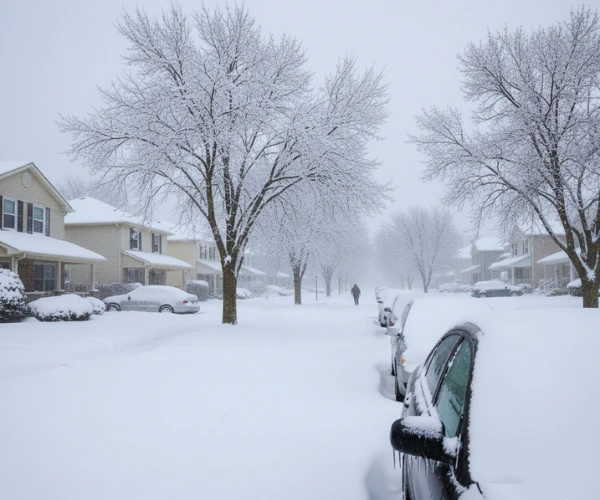
Winter storms can develop suddenly across many U.S. states, bringing heavy snow and dangerous ice.
As I’ve been watching the latest updates from NOAA and the National Weather Service, one thing is very clear: families will see faster and stronger weather changes this season.
“This year’s storms may develop in hours, not days,” an NWS analyst recently warned.
This means families must stay prepared before the weather turns dangerous.
Why This Winter Is More Severe
Weather experts say several factors are making this winter more dangerous :
- A fast shift from El Niño to La Niña
- Stronger jet stream dips causing sudden cold waves
- More freezing rain and ice storms
- Higher chances of power outages
- Increased flooding after heavy rain or melting snow
Quick Facts :
- Frostbite can begin in 10–30 minutes in extreme cold.
- Winter power outages have increased by 27% in five years.
- Black ice causes more winter injuries than heavy snowfall.
Families who understand these risks can prepare earlier — and stay safer.
Weather Alerts Families Should Understand
Winter alerts can be confusing, so families should know what each term actually means according to official weather guidance. Many people ignore weather alerts because they don’t understand them. But each one has a different meaning :
Winter Storm Watch –
A strong storm may happen. Start preparing.
Winter Storm Warning –
A storm will happen. Stay indoors.
Blizzard Warning –
Strong winds + snow = very low visibility.
Wind Chill Warning –
Dangerous cold. Frostbite is possible in minutes.
Winter Weather Advisory –
Slippery roads, freezing rain, and icy conditions expected.
“Families often get caught unprepared simply because they don’t know what these alerts mean.“
Simple Safety Steps for Families
Keep an Emergency Kit Ready
A basic winter kit can protect your family during a sudden storm or outage.
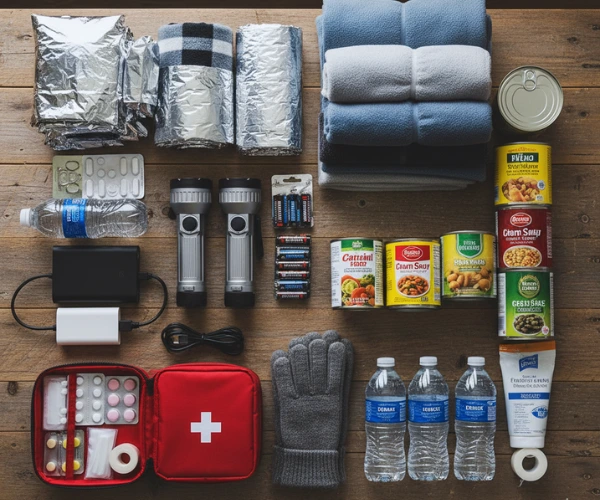
A simple winter emergency kit helps families stay safe during storms and power outages.
Checklist :
- Flashlights + extra batteries
- Power banks
- Warm blankets
- Bottled water (1 gallon per person per day)
- 3-day food supply
- Baby items if needed
- Prescription medicines
- Pet food + supplies
Protect Kids, Seniors & Pets
Children, elderly people, and pets lose body heat faster than adults.
- Keep everyone dressed in layers
- Bring pets indoors
- Avoid outdoor play during ice or freezing rain
- Check on elderly neighbors
How to Prepare Your Home for Winter Weather
Before the Storm
- Insulate pipes to prevent freezing
- Seal doors and windows
- Clean chimneys or heating vents
- Charge all devices
- Test smoke and carbon monoxide detectors
During the Storm
- Stay indoors
- Avoid using ovens or grills as heat sources
- Keep faucets dripping in extreme cold
- Bring pets inside
- Follow local alerts closely
Burst pipes can cost families $2,000–$5,000 to repair — but insulation costs very little.
Travel & Car Safety Tips
Build a Winter Car Kit
- Ice scraper
- Jumper cables
- Tire chains
- Emergency blankets
- Water and snacks
- First-aid kit
- Portable jump starter
AAA reports that 40% of winter roadside emergencies happen because drivers leave home without a safety kit.
Safe Winter Driving Rules
- Slow down — even on dry roads
- Watch for black ice on bridges
- Keep gas tank half full
- Tell someone your route
- Never drive through floodwater
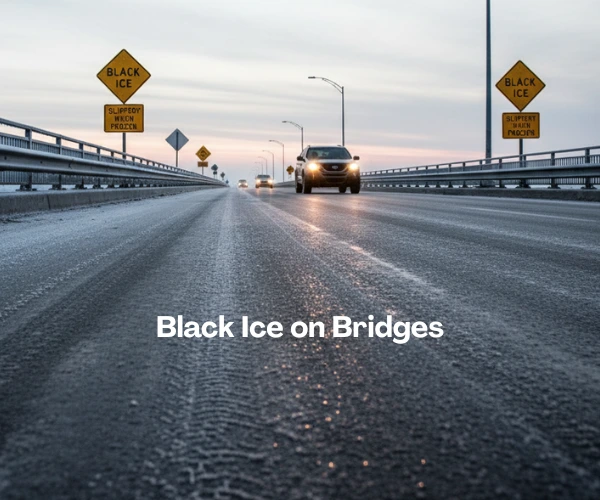
Black ice on bridges and highways is one of the biggest winter driving hazards.
Flooding & Heavy Rain Safety
Winter storms often bring heavy rain or snowmelt, causing sudden flooding.
Important flood rules:
- Turn Around, Don’t Drown
- Never walk through moving water
- 6 inches of water can knock someone down
- 12 inches can sweep a car away
- Stay away from rivers and drainage areas during storms
A simple mistake near water can turn dangerous very quickly.
What to Do During a Power Outage
Winter outages can last from a few hours to several days. During a power cut :
- Use flashlights — not candles follow basic safety steps recommended by emergency agencies — use flashlights instead of candles.
- Keep refrigerator closed
- Wear multiple layers to stay warm
- Never run generators indoors
- Disconnect appliances to avoid electric surges
- Wrap exposed pipes to prevent freezing
Carbon monoxide poisoning increases every winter due to unsafe heating.
Helping Kids and Families Stay Calm
Storms can be stressful, especially for children.
- Create a simple indoor plan
- Keep snacks, games, and flashlights ready
- Explain weather updates in calm, simple words
- Check on elderly neighbors
I remember storms feeling scary when I was young — but having a plan made everything easier and safer. Families today can do the same.
Disclaimer:
This article is for general safety awareness. Weather conditions can change quickly, so always follow official alerts and guidance from local authorities.

Contents
- 1 A fast-changing winter weather pattern is bringing stronger storms, freezing rain, and sudden cold waves across the U.S. This year, experts say simple preparedness can protect families from the worst impacts.
- 2 A Winter Season Turning Unpredictable
- 3 Why This Winter Is More Severe
- 4 Quick Facts :
- 5 Weather Alerts Families Should Understand
- 6 Simple Safety Steps for Families
- 7 Keep an Emergency Kit Ready
- 8 Protect Kids, Seniors & Pets
- 9 How to Prepare Your Home for Winter Weather
- 10 Before the Storm
- 11 During the Storm
- 12 Travel & Car Safety Tips
- 13 Build a Winter Car Kit
- 14 Safe Winter Driving Rules
- 15 Flooding & Heavy Rain Safety
- 16 What to Do During a Power Outage
- 17 Helping Kids and Families Stay Calm
- 18 Disclaimer: