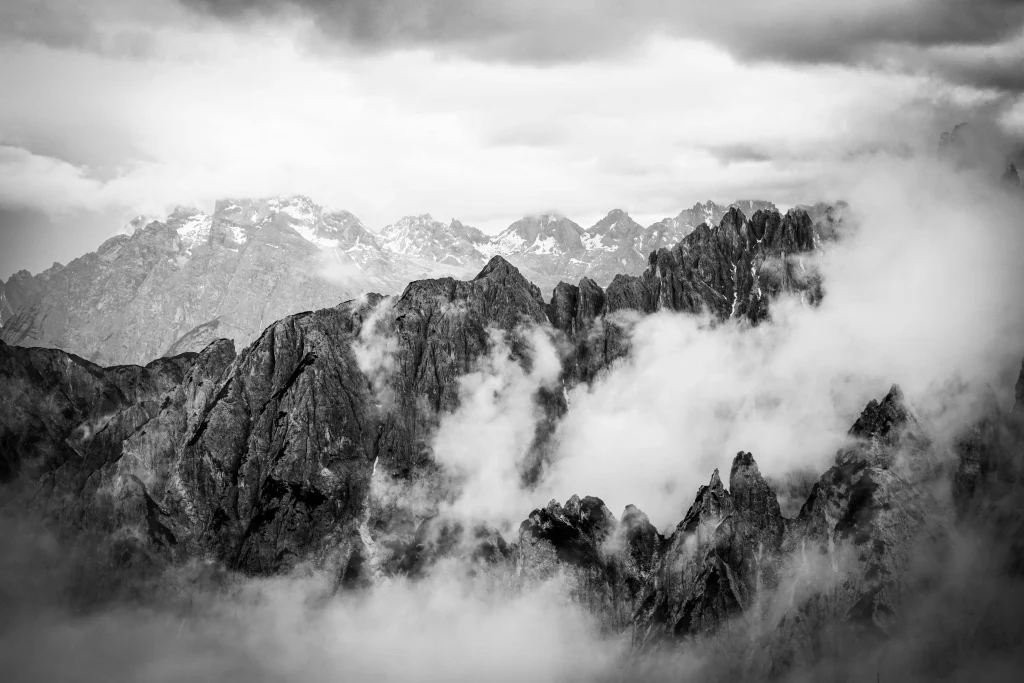
In the 21st century, mountain glaciers and global warming have re-entered a dangerous phase of interaction. Once insulated by their cold microclimates, glaciers are rapidly melting as they reconnect with atmospheric warming.
Scientists call this shift “recoupling” — a stage where glaciers begin responding to temperature rise one-to-one.
Recent studies in Nature Climate Change (2025) show that the world’s glaciers are losing their resistance, melting faster, and contributing more to rising sea levels than ever before.
The Science Behind Mountain Glaciers and Global Warming
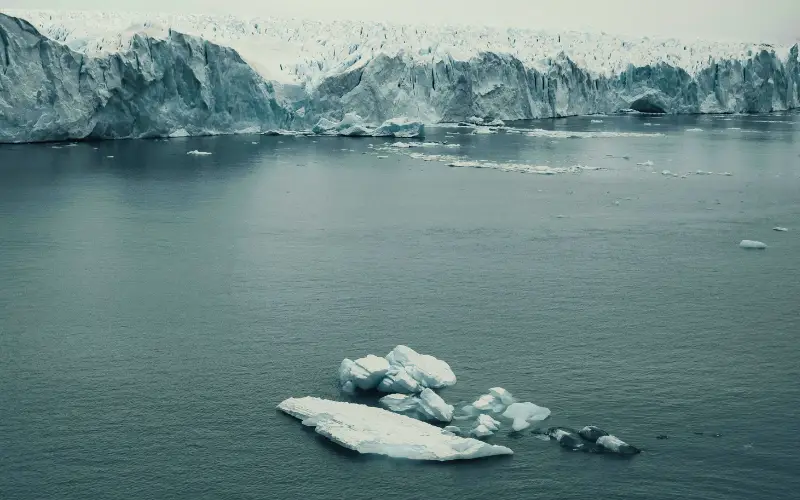
For decades, mountain glaciers and global warming seemed partially disconnected. Local conditions like strong cold winds and thick snow layers created a natural decoupling, keeping ice temperatures lower than the surrounding air.
However, as greenhouse gases increase and the planet warms, this protective cooling is fading. Researchers now confirm that glacier surfaces are heating at nearly the same rate as global air temperature.
This proves that glaciers have recoupled to the global climate system — a direct indicator that warming is accelerating in Earth’s highest regions.
Why Glaciers Are Melting Faster in the 21st Century
- Loss of Albedo Effect: As glaciers lose white snow cover, darker ice absorbs more heat, amplifying warming.
- Reduced Aerosols: Cleaner air has fewer particles reflecting sunlight, allowing more heat to reach the surface.
- Rising Freezing Line: The altitude where snow can survive has climbed hundreds of meters, exposing more ice to melt.
- Declining Snowfall: Changing precipitation patterns mean less winter snow and more rain — leading to faster melt.
Global Hotspots: Glaciers Reconnecting to Warming
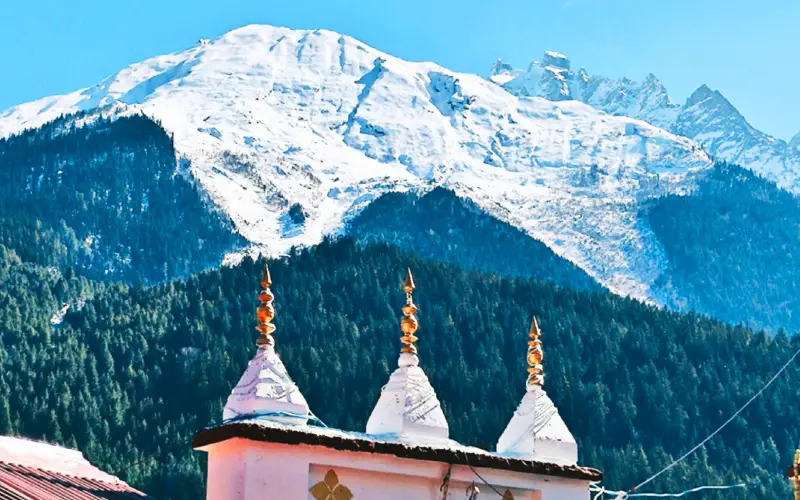
The Himalayas are home to some of the planet’s most vital glaciers. Research shows that Himalayan glaciers and global warming have entered an active recoupling stage.
Ice loss rates have doubled since 2000, threatening the water supply of over 1.5 billion people in South Asia. Rivers like the Ganges and Brahmaputra depend on glacial melt — but soon, “peak water” will give way to scarcity.
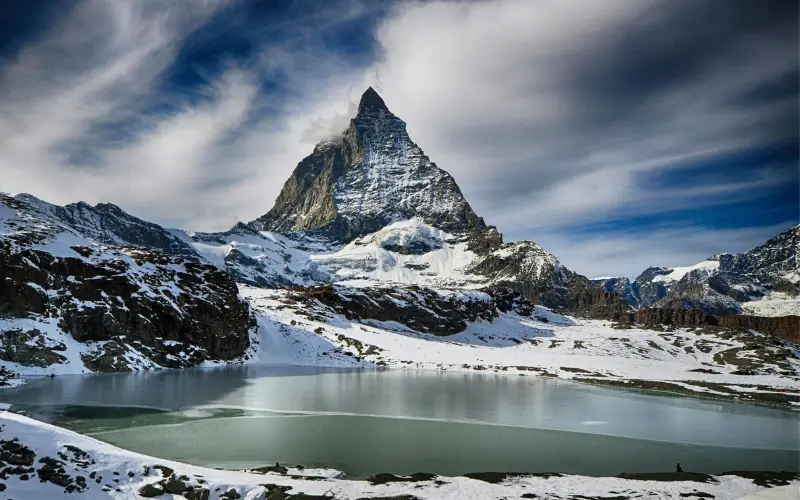
In Europe, Alpine glaciers and global warming are moving in lockstep.
Switzerland’s glaciers have lost 10% of their volume in just five years, with snow-poor, darkened ice melting at record speed. Scientists predict that most Alpine glaciers will vanish before 2100 if current warming trends continue.
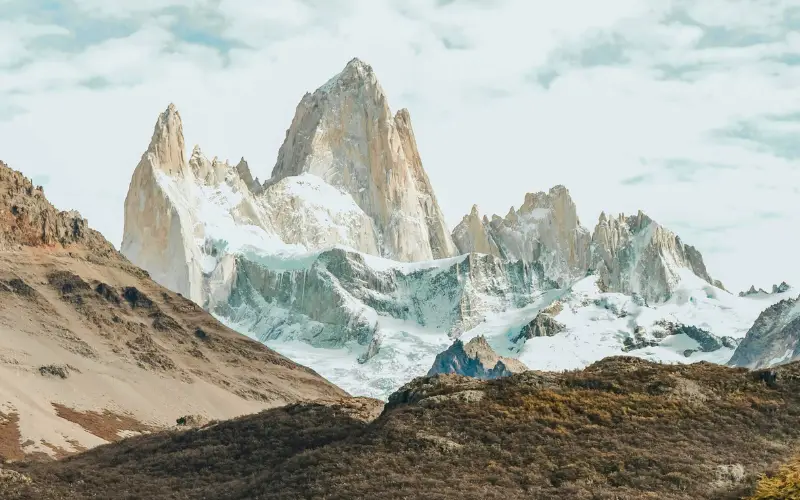
The tropical Andes reveal another side of mountain glacier and climate change.
Glaciers in Peru and Bolivia are retreating faster than in any period over the past 11,000 years, cutting off dry-season water for millions and endangering agriculture.
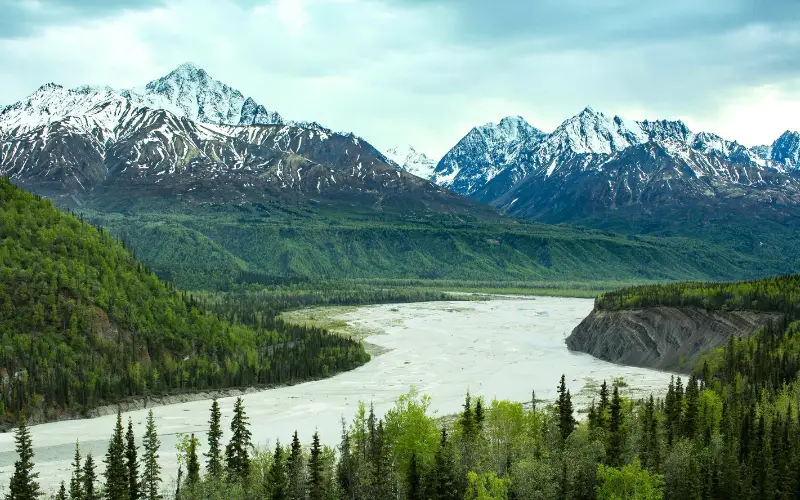
Even at high latitudes, mountain glaciers and global warming are reshaping landscapes.
Alaska’s glaciers now contribute roughly one-third of total sea-level rise from ice melt — a major global impact of this recoupling phenomenon.
Consequences of Glaciers Reconnecting with Global Warming
The reconnection between mountain glaciers and global warming has global effects that reach far beyond the mountains:
- Rising Sea Levels: Glacier melt could raise global seas by 9–15 cm by 2100.
- Water Crises: Short-term river floods will be followed by long-term droughts.
- Ecosystem Damage: Cold-adapted mountain species are losing habitat rapidly.
- Hazards and Floods: New glacial lakes formed by melting ice pose major risks of sudden outburst floods.
NASA climate scientist David Rounce warns ,“Regardless of temperature increase, glaciers are going to experience massive loss. That’s inevitable.”
This global reconnection underscores the urgency of limiting warming to below 1.5 °C, as every fraction of a degree saved protects thousands of glaciers.
Slowing the Impact of Mountain Glacier Melting
Even though the process is accelerating, there are ways to reduce how global warming affects mountain glaciers:
- Reduce black carbon and soot that darken ice.
- Expand renewable energy to lower greenhouse gas emissions.
- Protect forests and wetlands that store water from glacier melt.
- Support local adaptation and glacier monitoring programs in vulnerable regions.
Global cooperation remains our best hope to preserve the remaining cryosphere — the frozen shield that regulates Earth’s climate.
Conclusion — A Warning Written in Ice
The renewed connection between mountain glaciers and global warming is not just a scientific observation — it’s a warning written in ice.
These glaciers, ancient and resilient for centuries, are now melting in direct response to the heat of our time.
Their rapid recoupling with the atmosphere reminds us that climate change is no longer distant — it’s visible, measurable, and unfolding now.
Disclaimer: This article is for educational and awareness purposes only. Information is drawn from credible scientific sources and should not be considered professional or policy advice.
Contents
- 1 The Science Behind Mountain Glaciers and Global Warming
- 2 Why Glaciers Are Melting Faster in the 21st Century
- 3 Global Hotspots: Glaciers Reconnecting to Warming
- 4 Consequences of Glaciers Reconnecting with Global Warming
- 5 Slowing the Impact of Mountain Glacier Melting
- 6 Conclusion — A Warning Written in Ice