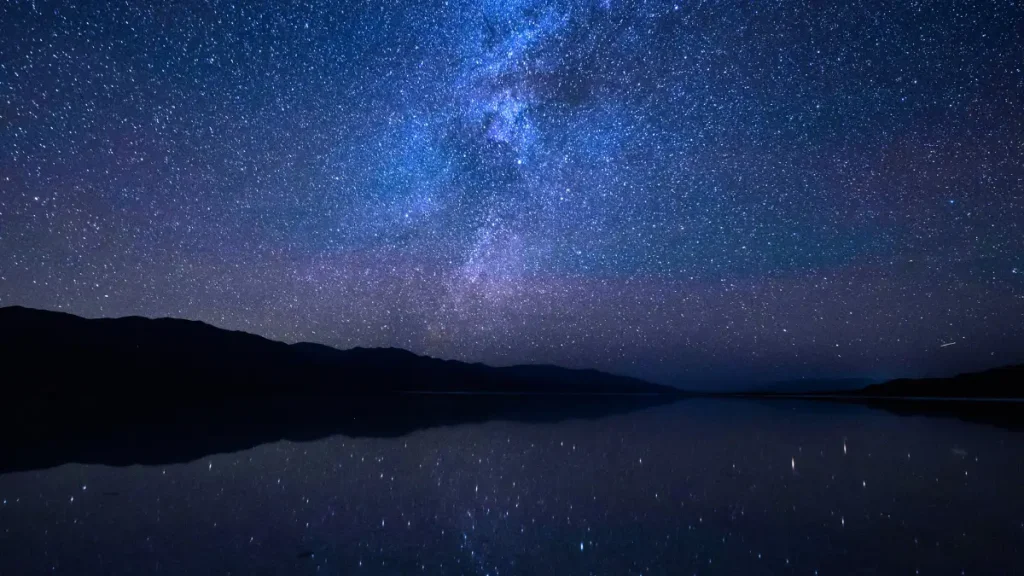
From streaking fireballs to glowing planets, November 2025 is shaping up to be an unforgettable month for skywatchers across the United States.
Astronomy enthusiasts can expect a busy calendar of sky events — including meteor showers, planetary oppositions, and the season’s brightest full moon.
Here’s a detailed guide to all the major sky events in November 2025, verified with data from NASA and the American Meteor Society (AMS).
Taurid Meteor Shower Lights Up Early November
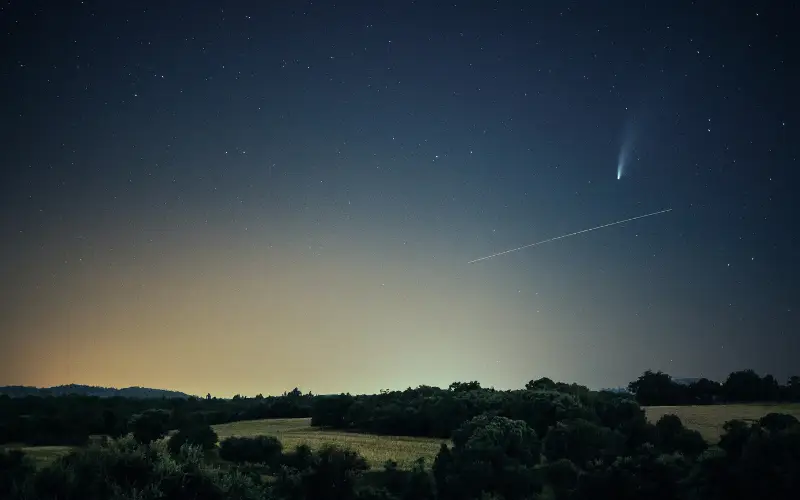
The month begins with the Southern Taurid meteor shower, peaking between November 5 and 6.
Although the Taurids are not known for their quantity — averaging 10 meteors per hour — they often produce large, slow-moving fireballs that brighten the entire sky.
The meteors originate from debris left by Comet Encke and are best viewed after midnight, when Taurus the Bull is high overhead.
For observers in Texas, Arizona, and California, dry skies will offer ideal conditions.
“The Taurids may not rain meteors, but their fireballs are spectacular,” said Dr. Andrea Michaels, a NASA meteor physicist. “It’s a subtle yet powerful reminder of how small dust grains can create immense beauty.”
Full Beaver Moon Rises on November 14
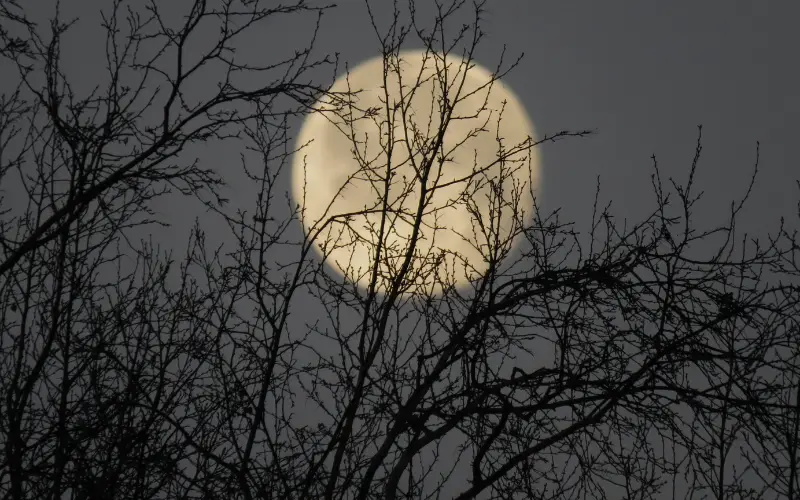
The Full Beaver Moon, the second full moon of autumn, will illuminate the night sky on Thursday, November 14.
According to NASA, the Moon will reach full phase at 4:27 a.m. EST, glowing brightly across the continental U.S.
The name “Beaver Moon” originates from Native American and colonial traditions, marking the time when beavers complete their winter preparations before waterways freeze.
This moon will appear slightly larger and warmer in tone due to its low horizon position during rise.
Jupiter Shines as November’s Brightest Planet
Among all November sky events, Jupiter will dominate the scene.
After reaching opposition in late October, the gas giant remains brilliant throughout November, visible all night long in the constellation Aries.
Shining at a magnitude of –2.8, Jupiter will outshine every star in the sky.
Even with small binoculars, observers can spot the four Galilean moons — Io, Europa, Ganymede, and Callisto — changing position nightly.
For a deeper view, a basic backyard telescope will reveal Jupiter’s equatorial cloud bands and possibly even the Great Red Spot on clear nights.
Leonid Meteor Shower Peaks on November
The Leonid meteor shower, one of the most anticipated sky events of November, will reach its peak in the pre-dawn hours of November 16 and 17.
This shower is caused by dust trails from Comet Tempel-Tuttle, known for occasional meteor storms in history.
While 2025 won’t bring a storm, astronomers predict a steady 10–15 meteors per hour.
The waning crescent Moon will set early, leaving dark skies perfect for viewing.
NASA’s Meteoroid Environment Office reports: “Leonids are fast and often leave glowing trails — even a few make for an impressive show.”
Uranus at Opposition on November 17
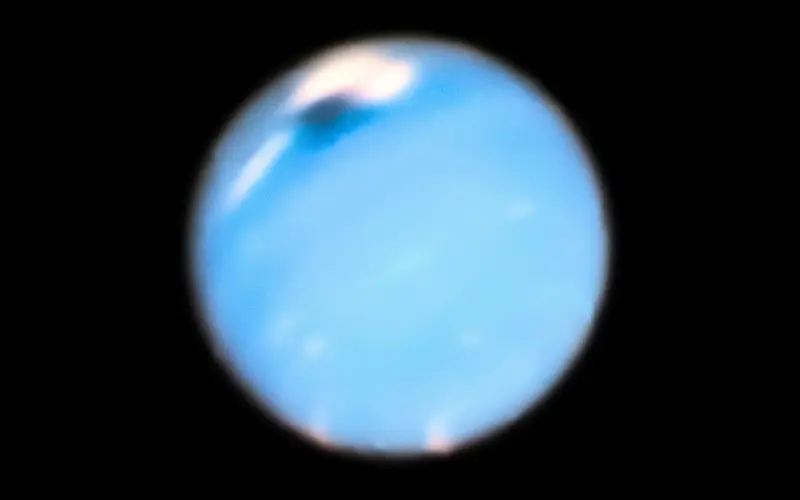
On the same night as the Leonids, Uranus reaches opposition, when the planet is directly opposite the Sun from Earth’s perspective.
This alignment makes Uranus visible all night long and at its brightest for the year.
In dark-sky locations, the planet can be spotted with binoculars as a faint, blue-green dot in the constellation Aries.
Telescopes magnifying 100× or more can reveal its subtle color and tiny disk.
For astronomers, Uranus’ opposition is a highlight among annual sky events, offering rare opportunities to photograph the distant planet.
Moon and Saturn Conjunction
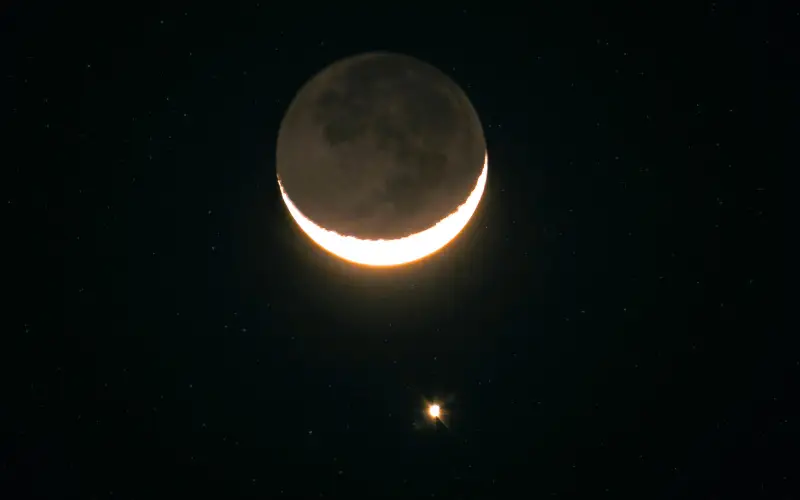
One of the most photogenic sky events this month occurs on November 9, when the crescent Moon passes close to Saturn in the evening sky.
The two celestial bodies will appear just 2 degrees apart, visible in the southwestern sky shortly after sunset.
Saturn’s pale-yellow hue will contrast beautifully against the Moon’s silver glow, making it a perfect shot for photographers using telephoto lenses or smartphones with night settings.
The conjunction will be best viewed around 8:00 p.m. local time across most of the U.S.
Mars Returns to the Morning Sky

Observation Tips for November Sky Events
If you plan to observe any of these November sky events, here are a few simple yet essential tips from NASA and the International Meteor Organization (IMO):
- Find dark skies: Avoid urban light pollution; rural areas or national parks offer the best visibility.
- Best time: Meteor showers are most active after midnight until dawn.
- No special gear needed: Most events, including meteor showers and lunar conjunctions, are visible with the naked eye.
- Use sky-tracking apps: Tools like Sky Guide, Stellarium, and NASA SkyCal help identify constellations and peak times.
- Be patient: Your eyes need about 20–30 minutes to fully adjust to darkness.
Why November 2025 Stands Out
Among the year’s astronomical calendar, November 2025 offers a rare mix of meteor showers, bright planets, and minimal moonlight during peak events — making it a particularly photogenic month for sky observation.
With clear weather forecasts for much of the western and central United States, it’s a great time for both amateur and professional stargazers to head outdoors.
From the fiery Taurids to the elegant Leonids, the month delivers celestial magic visible to anyone willing to look up.
Disclaimer:
This article is based on verified astronomical data as of November 2025 and is for informational purposes only. Actual sky visibility and event timings may vary by location and weather.

Contents
- 1 Taurid Meteor Shower Lights Up Early November
- 2 Full Beaver Moon Rises on November 14
- 3 Jupiter Shines as November’s Brightest Planet
- 4 Leonid Meteor Shower Peaks on November
- 5 Uranus at Opposition on November 17
- 6 Moon and Saturn Conjunction
- 7 Mars Returns to the Morning Sky
- 8 Observation Tips for November Sky Events
- 9 Why November 2025 Stands Out