


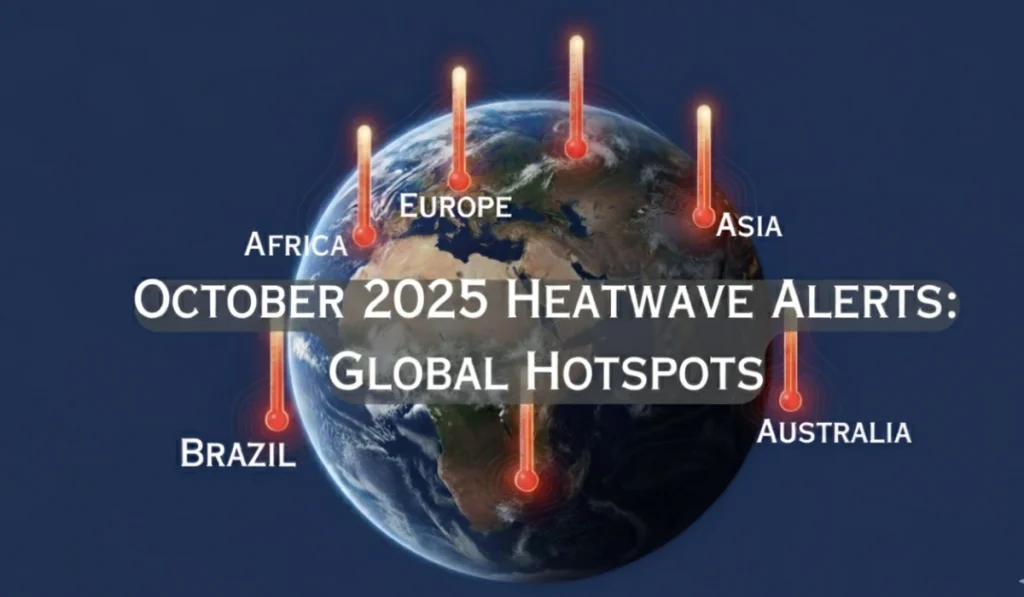
This year, October has been a month of contradictions. Instead of sweaters and warm drinks, people across the world are reaching for fans, water bottles, and sunscreen. I felt it myself walking through New York — the air heavy with heat, as though summer had forgotten to end.
But this isn’t just about discomfort. Late-season heatwaves pose serious health risks, disrupt food supply chains, increase wildfire threats, and strain power grids. And the most important part? We’re not powerless.
With the right safety measures, individuals and communities can adapt and protect themselves.
The Causes

Heatwaves are caused by a mix of factors:
- El Niño warming the Pacific, shifting rain and wind.
- Stalled jet streams trapping hot air over continents.
- Marine heatwaves warming coasts.
- And climate change raising the “baseline” of global temperatures.
These make October 2025 one of the hottest on record in many regions.
Global Hotspots — and How People Can Stay Safe
United States: From Texas to New York
Record heat is stretching from the South to the Northeast. Cities like Dallas and Miami are topping 95°F, while New York is breaking long-standing October records.


Practical Safety Measures for Americans:
- Check on neighbors: Seniors living alone are most at risk. A simple daily check-in can save lives.
- School & work adjustments: Encourage flexible schedules, remote classes, or earlier start times to avoid peak heat.
- Smart cooling: Use cross-ventilation at night; run ceiling fans counterclockwise to push air down.
- Power safety: Avoid simultaneous high-energy use (AC + oven + dryer) to prevent grid overload.
Europe: Southern Heat and Wildfire Alerts
Spain, Italy, France, and Greece are enduring highs of 30–34°C, with dry winds increasing wildfire danger. Scientists have found that wildfire smoke’s impact on weather can extend far beyond fire zones, altering rainfall and regional temperatures across continents.


Guidance for Europeans:
- Wildfire readiness kits: Families near forests should prepare emergency bags with water, masks, and documents.
- Stay smoke-safe: If air is hazy, use N95 masks indoors and outdoors; keep windows sealed.
- Tourist tips: Visitors in Rome, Barcelona, or Athens should avoid mid-afternoon sightseeing; shift to mornings or evenings.
- Local food impact: Stock up on essentials like olive oil or wine before price hikes, but store them properly away from heat.
Asia: Delhi to Shanghai
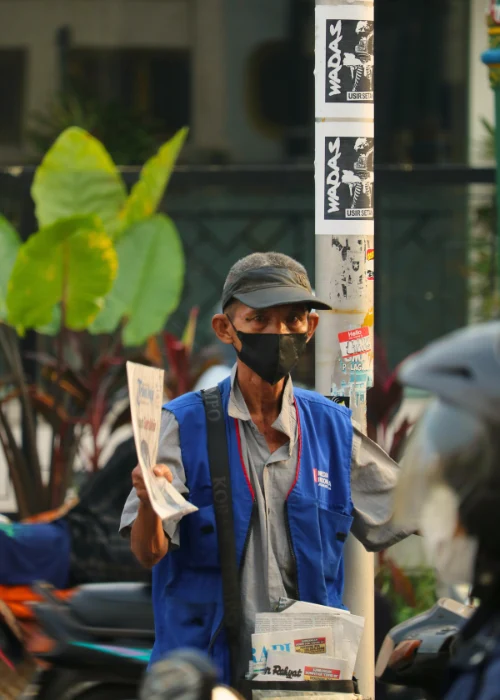
India is touching 37–38°C, disrupting Diwali shopping and travel. China’s eastern provinces are struggling with factory and school closures due to heat.

Guidance for Asia:
- Festival safety: Organizers should provide free drinking water and shaded resting spots at crowded events.
- Farmers’ advice: Switch to evening irrigation to reduce evaporation. Mulching fields can conserve soil moisture.
- Urban relief: Community centers, temples, and mosques can double as cooling shelters.
- Travel safety: Carry oral rehydration salts (ORS) during train or bus journeys.
South America: Brazil’s Springtime Strain
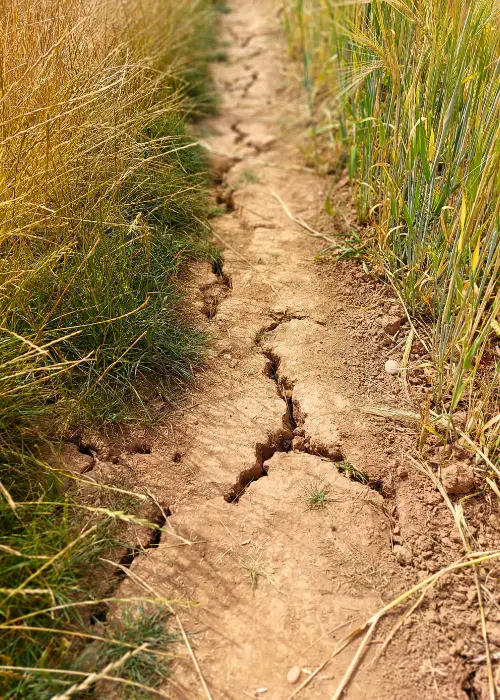
Brazil is facing October highs near 38°C, hitting both cities and drought-stricken rural areas. Argentina’s wheat yields are dropping.
Safety Measures for South America:
- Hydropower crisis planning: Citizens should conserve electricity by unplugging appliances and reducing air-conditioning hours.
- Health protection: In favelas and crowded cities, NGOs can distribute cooling kits (hand fans, reusable bottles, sun hats).
- Farm adaptation: Encourage intercropping (planting two crops together) to maintain soil shade and improve resilience.
Africa & Middle East: The Overlooked Heat
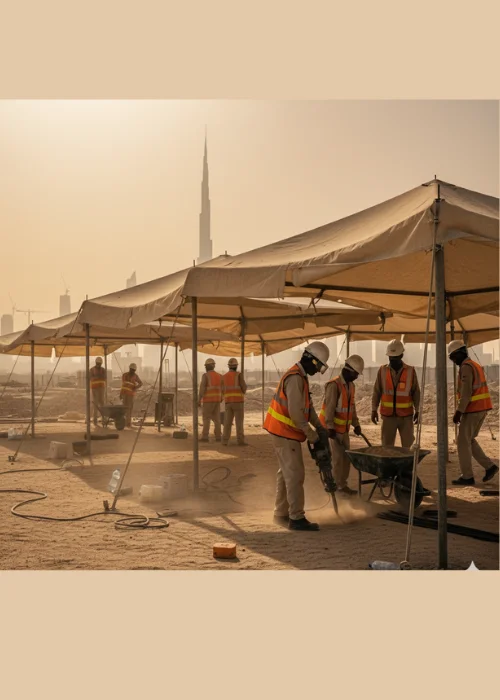
North Africa (Morocco, Egypt) and Gulf countries are reporting October highs of 35–37°C. Outdoor workers are at risk, especially as seasonal labor rules relax.
Safety Guidance:
- Worker safety laws: Governments should extend “summer work bans” into October if heat persists.
- Community water points: Install shaded water stations for public use.
- Health alerts: Use SMS and WhatsApp broadcasts in rural areas to alert people about daily heat risks.
Australia: A Pre-Summer Warning
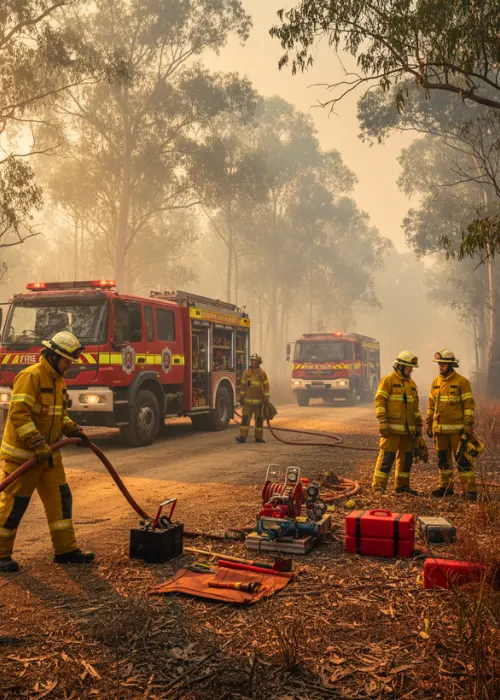
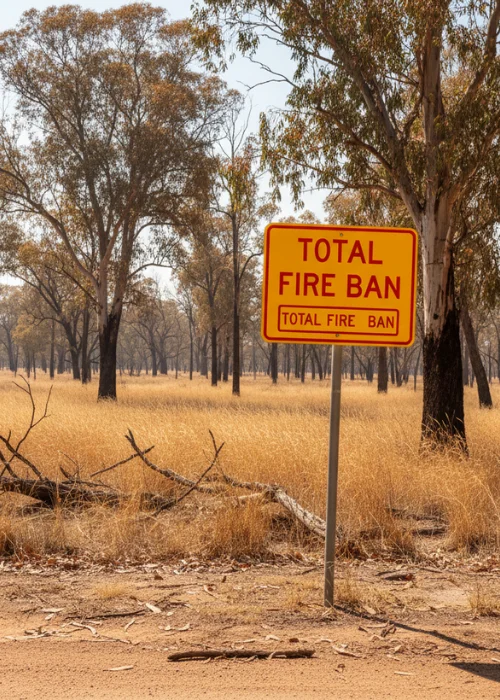
Parts of New South Wales are already issuing fire alerts. October heat raises fears of an early bushfire season.
Guidance for Australians:
- Bushfire prep: Families should clear dry leaves around homes and have evacuation routes ready.
- Pets & livestock: Shade shelters and extra water troughs must be prepared before peak summer.
- Mental resilience: Communities should revive local fire safety drills — practice reduces panic.
Broader Impacts of October Heat
- Health: Hospitals are reporting heatstroke, dehydration, and worsening chronic illnesses. Rising temperatures have a direct effect on our bodies too, as explored in detail in heatwaves and human health risks, where prolonged exposure can trigger heart strain and respiratory problems.
- Food Security: Grapes, olives, wheat, and corn are all affected by rapid or stunted growth.
- Energy Stress: From Texas to Brazil, power demand is shattering records.
- Daily Life: Festivals, tourism, and cultural events are being reshaped by extreme heat.
Expanded Safety Guide: What You Can Do
At Home
- Install reflective window films to reduce indoor heat by up to 30%.
- Keep spray bottles in the fridge for quick cooling.
- Create a “cool room” by using blackout curtains, a fan, and a damp sheet hung across a doorway.
For Communities
- Open libraries, malls, and religious centers as free cooling zones.
- Encourage green rooftops — even small rooftop gardens can reduce neighborhood heat.
- Community alerts: Local radio and WhatsApp groups can warn residents about dangerous heat hours.
For Farmers
- Practice staggered sowing to spread risk across multiple harvest dates.
- Adopt drought-resistant varieties (e.g., millet instead of water-intensive rice).
- Use drip irrigation to conserve water. Farmers can also benefit from nature-based solutions like wetlands for flood and climate management, which naturally retain rainwater and balance local humidity.
For Families
- Teach children to recognize heat stress: dizziness, nausea, confusion.
- Keep ORS packets at home for emergencies.
- Elderly relatives should avoid sleeping in rooms without fans or ventilation.
For Travelers
- Always check local advisories before visiting.
- Carry a reusable water bottle and refill whenever possible.
- Use light-colored, loose cotton clothing instead of synthetics.
Looking Forward: Preparing Beyond October
Experts warn that if trends continue, autumn heatwaves may become an annual norm. That means:
- Shorter winters and disrupted seasonal crops.
- More wildfire seasons beyond summer.
- Increased need for urban redesign with heat in mind — shaded walkways, more trees, resilient power grids.
For individuals and policymakers alike, adaptation is no longer optional.
Conclusion: Turning Warnings Into Action
October 2025 has shown us that the calendar can no longer predict comfort. But while the heat is unsettling, our response doesn’t have to be passive.
By adopting smarter personal habits, community-level safety plans, and forward-looking policies, we can turn late-season heatwaves into a challenge we’re prepared for — rather than a disaster we suffer through.
For a broader look at how communities worldwide are adapting, read our feature on lessons from global natural disasters that highlight planning, recovery, and resilience.
Disclaimer
This article is based on verified reports from NOAA, Newsweek, Washington Post, Mathrubhumi, and other global weather outlets as of October 2025. Always follow official advisories for real-time updates.
Contents
- 1 The Causes
- 2 Heatwaves are caused by a mix of factors:
- 3 Global Hotspots — and How People Can Stay Safe
- 4 United States: From Texas to New York
- 5 Practical Safety Measures for Americans:
- 6 Europe: Southern Heat and Wildfire Alerts
- 7 Guidance for Europeans:
- 8 Asia: Delhi to Shanghai
- 9 Guidance for Asia:
- 10 South America: Brazil’s Springtime Strain
- 11 Safety Measures for South America:
- 12 Africa & Middle East: The Overlooked Heat
- 13 Safety Guidance:
- 14 Australia: A Pre-Summer Warning
- 15 Guidance for Australians:
- 16 Broader Impacts of October Heat
- 17 Expanded Safety Guide: What You Can Do
- 18 Looking Forward: Preparing Beyond October
- 19 Conclusion: Turning Warnings Into Action
- 20 Disclaimer